Why Do High-Quality Products Usually Choose #4 and #5 Zippers First?
A #5 zipper often decides whether a jacket, bag, or outdoor product feels reliable after months of real use. Small components look simple during development, but they create big complaints when they jam, split, discolor, or feel cheap. The practical solution is choosing a zipper size that balances strength, weight, hand feel, and design freedom.
For quality-demanding apparel, bags, outdoor gear, and workwear, #4 and #5 zippers are usually preferred because they deliver stronger chain performance than #3 zippers while avoiding the bulk of #8 and #10 zippers. Among them, the #5 zipper is the industry’s most versatile choice for strength, durability, appearance, and customization.
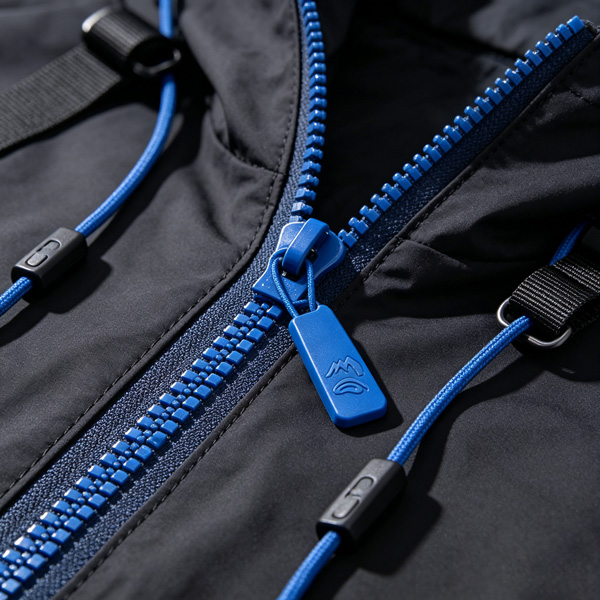
In my daily conversations with procurement managers and product designers, I see one pattern clearly. The zipper decision is rarely just about price. It is about reducing risk across production, inventory, after-sales service, and brand reputation. That is where the #5 zipper becomes a very practical engineering choice.
Why Is the #5 Zipper the Perfect Balance Between Strength and Size?
Many product failures begin with a size mismatch. A zipper that is too light may split under stress. A zipper that is too heavy may distort the garment or make a bag feel overbuilt. The #5 zipper solves this common development problem with a balanced chain width and reliable operating strength.
The #5 zipper is widely used because it offers a strong middle ground. It provides better tensile strength and abrasion resistance than a #3 zipper, while remaining lighter, softer, and more visually proportionate than #8 or #10 heavy-duty zippers. This makes it ideal for jackets, outdoor bags, sportswear, workwear, and fashion accessories.
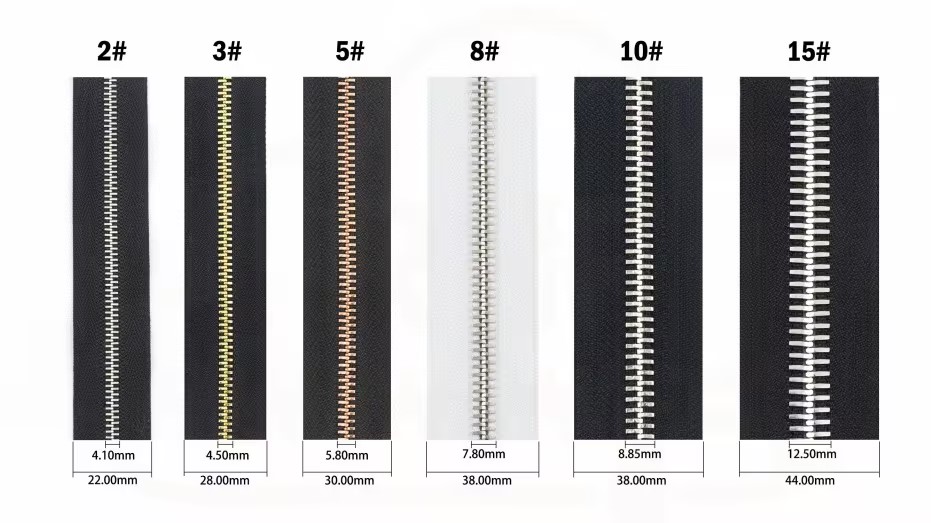
The Real Difference Between #3, #5, #8, and #10
The number in a zipper specification usually refers to the approximate chain width in millimeters when the zipper is closed. A #5 zipper is commonly around 5.8 mm at the teeth or coil area, depending on the material and construction. This size is large enough to carry meaningful load, but it is still compact enough for everyday products.
I often explain the difference to buyers this way: #3 is suitable for light garments, inner pockets, dress applications, and low-stress areas. It looks clean and refined, but it has limited durability under frequent pulling or lateral tension. #8 and #10 zippers are excellent for luggage, tactical equipment, tool bags, and heavy outdoor applications. However, they can feel bulky on daily jackets, light backpacks, and sportswear.
The #5 zipper sits between these two extremes. It has enough mechanical strength for regular outdoor use, but it does not overwhelm the fabric structure. This matters for product designers because zipper weight and stiffness can affect drape, comfort, pocket shape, and even how a garment photographs for e-commerce.
| Zipper Size | Best Use | Main Limitation |
|---|---|---|
| #3 | Light garments, inner pockets, dresses, children’s apparel | Lower resistance under high-frequency pulling or lateral force |
| #5 | Jackets, outdoor bags, sportswear, workwear, fashion accessories | Not intended for very heavy luggage or tactical load-bearing points |
| #8 / #10 | Luggage, tactical gear, heavy backpacks, tool bags | Can be too stiff, heavy, and visually dominant for lighter products |
Why Standardization Reduces Supply Chain Risk
For procurement teams, the #5 zipper is not only a component choice. It is also a standardization tool. When one size can cover jackets, bags, workwear, sportswear, and accessories, the brand can reduce SKU complexity, simplify inventory, and improve supplier coordination.
- Design teams gain more flexibility because one zipper size supports multiple product categories.
- Purchasing teams can consolidate colors, sliders, pullers, and tape options.
- Quality teams can build stable test standards instead of managing too many zipper constructions.
- Factories can shorten sampling cycles because #5 molds, tapes, sliders, and pullers are easier to align.
In many sourcing projects, I recommend starting with #5 unless the application clearly requires a lighter invisible closure or a heavy luggage-grade chain. This does not mean #5 is always correct. It means #5 is often the safest baseline before final testing confirms the best construction.
Which #5 Zipper Material Fits Each Product Scenario?
A common mistake is treating zipper size as the full specification. Size matters, but material and structure decide how the zipper performs in cold weather, wet environments, fashion applications, children’s wear, and premium leather goods. The #5 zipper becomes powerful because it supports many material variations.
The best #5 zipper material depends on the end use. Nylon coil works well for flexible garments and bags. Molded plastic suits outdoor and corrosion-resistant products. Metal creates a premium visual effect. Waterproof and airtight constructions protect against moisture. Invisible #4 and #5 zippers serve higher-quality garments that need both clean appearance and stronger pull resistance.
Nylon Coil #5 Zipper: Flexible and Quiet
Nylon coil is often the most forgiving option. It is soft, smooth, lightweight, and quiet during movement. This matters for down jackets, sportswear, children’s apparel, and daily backpacks. When fabric bends repeatedly, a coil zipper usually follows the shape better than a rigid tooth structure.
For cold or changing climates, nylon coil also keeps good flexibility. This is why many outdoor apparel brands use coil zippers for curved pockets, lightweight shells, and packable garments. The practical sourcing point is simple: if the product needs comfort, bending performance, and smooth operation, start with a #5 nylon coil zipper.
Molded Plastic or Vislon #5 Zipper: Outdoor Structure and Corrosion Resistance
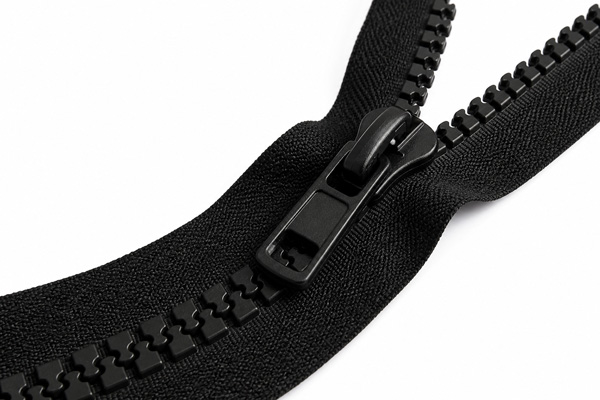
Molded plastic zippers, often called Vislon-style zippers in the market, have a stronger tooth appearance and good resistance to moisture, corrosion, and abrasion. They do not rust, and they do not feel as cold as metal in freezing environments. That makes them suitable for ski jackets, hiking gear, rainwear, and functional workwear.
There is also an industry truth behind molded zippers: tooth consistency depends heavily on mold precision and injection stability. A low-grade mold can create uneven teeth, rough engagement, or higher rejection rates during assembly. When buyers compare samples, they should not only pull the zipper once. They should check tooth shape, color consistency, slider engagement, and repeated opening performance.
Metal #5 Zipper: Premium Look With Technical Limits
Metal zippers create strong visual value. Brass, antique brass, nickel, gunmetal, and special plated finishes can make denim, leather jackets, handbags, and premium accessories feel more substantial. At RHF, we often recommend copper-based materials as the default for quality metal zipper projects, while titanium alloy can be discussed as an alternative option for specific development needs.
However, metal is not always the best answer. Metal teeth add weight. They can feel colder in extreme weather. Plating quality also matters because poor electroplating may discolor, fade, or transfer residue. For export orders, I always ask buyers to confirm the target market compliance requirements before finalizing plating and finishing details.
Waterproof, Airtight, and Invisible #5 Zippers
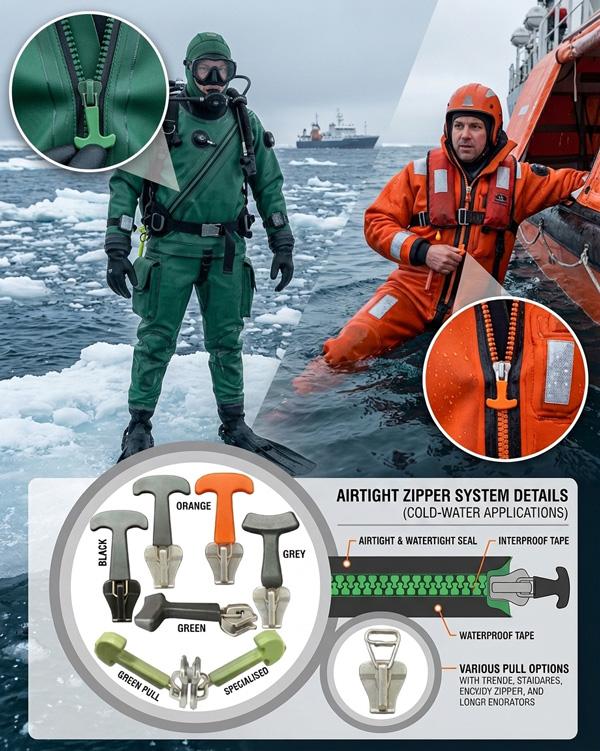
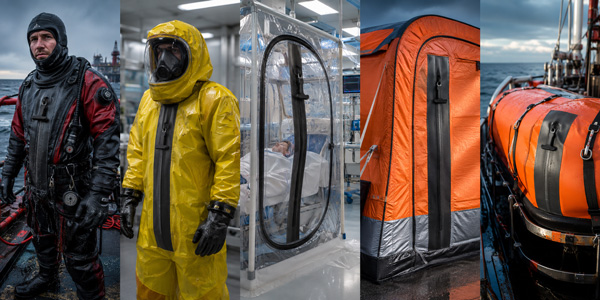
Waterproof zippers use TPU or PU coating, laminated tape, or special sealing structures to improve protection. The specification can range from everyday water-resistant performance to more demanding airtight applications used in technical protective gear. These products require careful compatibility checks because coating thickness can affect slider movement and sewing performance.
Invisible zippers deserve special attention. Many basic garments use #3 invisible zippers, but higher-quality products with thicker fabric often need #4 or #5 invisible zippers. These stronger invisible zippers keep the minimalist appearance while improving pull resistance and reducing the risk of zipper bursting. For premium dresses, structured garments, cushions, and heavy home textiles, this upgrade is small in appearance but meaningful in performance.
| Material Type | Key Strength | Recommended Products |
|---|---|---|
| Nylon Coil | Soft, smooth, flexible, lightweight | Down jackets, sportswear, backpacks, children’s wear |
| Molded Plastic | Corrosion-resistant, structured, outdoor-ready | Ski jackets, hiking gear, rainwear, workwear |
| Metal | Premium texture and strong visual identity | Denim, leather goods, handbags, fashion accessories |
| Waterproof / Airtight | Moisture protection and sealed performance | Rainwear, waterproof bags, protective gear, diving-related products |
How Can #5 Zipper Customization Improve Brand Identity and User Experience?
A zipper is not only a closure system. It is one of the few components users touch every day. If the puller feels slippery, the slider unlocks during movement, or the logo finish looks inconsistent, the product feels less premium even when the main fabric is excellent.
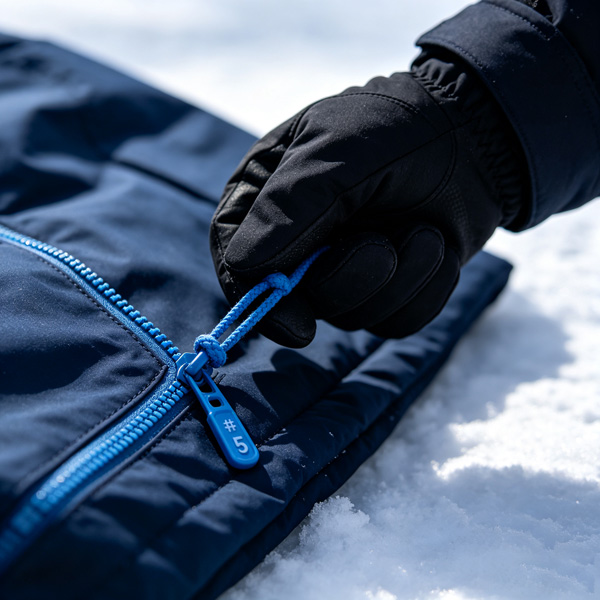
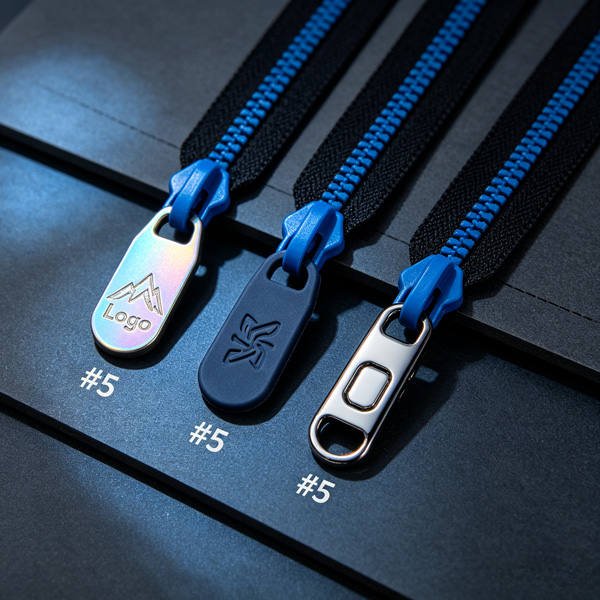
#5 zipper customization can improve both usability and brand recognition. Rope pullers help gloved users operate zippers outdoors. Auto-lock sliders prevent unwanted opening during movement. Metal, silicone, embossed, laser-engraved, and UV-printed pullers turn a standard zipper into a visible brand detail that supports the product story.
Outdoor and Performance Puller Design
For outdoor gear, the puller is a functional interface. A rope puller is light, easy to grip, and useful when the user wears thick gloves in cold weather. This simple detail can decide whether a ski jacket pocket feels practical on the mountain or frustrating in real conditions.
The slider choice is just as important. An auto-lock slider helps prevent unexpected opening during running, hiking, bending, or repeated body movement. For bags, a non-lock or semi-auto slider may be more convenient depending on the pocket position. I usually suggest testing at least two slider types during sampling because laboratory strength does not always equal the best user experience.
- Use rope pullers for ski jackets, hiking shells, outdoor backpacks, and gloves-on operation.
- Use auto-lock sliders for chest pockets, activewear openings, workwear pockets, and movement-heavy applications.
- Use longer pullers when the zipper is located under storm flaps or inside recessed pocket structures.
Fashion and Premium Puller Finishing
For fashion and premium products, the zipper puller becomes a branding surface. Laser engraving creates clean logo definition on metal pullers. Embossing works well on silicone and synthetic pullers. UV printing allows multi-color logo expression. Electroplating, spray painting, polishing, and antique finishing can match hardware across the full product line.
The commercial rule is transparent: the more customized the puller, the more attention the project needs on tooling, MOQ, surface treatment, and approval samples. For simple logo sliders, development can be fast. For a fully custom puller mold, brands should plan extra lead time for 3D drawing, mold opening, first sample inspection, finish correction, and bulk approval.
For teams developing logo pullers, I recommend reviewing our detailed custom puller options here: custom zipper pull solutions. This helps designers compare laser engraving, embossing, silicone pullers, metal pullers, and practical production considerations before sampling.
Practical MOQ and Lead Time References
MOQ and lead time depend on zipper type, color, puller customization, certification requirements, and packaging. Still, buyers need a realistic planning range. For regular #5 zipper orders in common colors, sampling can often be arranged in about 5 to 10 working days. Bulk production commonly ranges from 15 to 30 days after confirmed samples, depending on order volume and finishing complexity.
| Project Type | Typical MOQ Reference | Typical Lead Time Reference |
|---|---|---|
| Standard #5 zipper in regular colors | Usually lower and flexible by specification | 15–25 days after approval |
| Custom logo puller | Depends on logo method and mold requirement | 20–35 days after artwork and sample approval |
| Waterproof or special performance zipper | Higher due to coating and process setup | 25–40 days depending on testing and finish |
If your development calendar is tight, the most efficient approach is to share your tech pack, target market, fabric type, zipper application, and annual volume forecast early. That allows the supplier to recommend a realistic zipper construction before the first sample round.
What Quality Controls Make a #5 Zipper Reliable for Global Brands?
In bulk purchasing, the biggest risk is not one bad sample. The bigger risk is inconsistent quality across thousands or millions of pieces. A #5 zipper only becomes reliable when raw materials, assembly tolerance, plating, slider function, and final inspection are controlled as one system.
A reliable #5 zipper should pass core physical tests such as tensile strength, slider locking strength, top and bottom stop strength, reciprocating open-close testing, plating adhesion checks, and smoothness inspection. For export brands, compliance with OEKO-TEX Standard 100, REACH, RoHS, GRS, BSCI, ISO 9001, and related standards helps reduce regulatory and quality risk.
Our Factory Quality & Testing Standards
Quality is at the core of everything we do. all products undergo the same rigorous testing and professional manufacturing process shown below to ensure durability and performance.
Core Physical Tests Buyers Should Ask About
A good zipper factory should be able to explain how it tests performance, not just show a clean showroom. At RHF, each of our six production lines is supervised by quality control staff with more than five years of industry experience. This type of line-level supervision matters because problems often appear during small process changes, not only at final inspection.
- Zipper tensile strength: This test checks whether the chain can resist pulling force without separating or breaking.
- Slider locking strength: This test confirms that the slider can hold position under stress, especially for auto-lock applications.
- Top and bottom stop strength: This test reduces the risk of slider detachment at the zipper ends.
- Reciprocating test: This test repeatedly opens and closes the zipper to evaluate long-term operating durability.
- Plating adhesion test: This test helps prevent color fading, peeling, and metal finish complaints.
International methods such as BS EN 16732:2015 and ASTM D2061/D2062 are commonly referenced in zipper performance evaluation. The exact test requirement should be matched to the product category and target market. A fashion jacket and a waterproof field bag should not use the same acceptance logic.
Factory Process Control Behind Consistency
A stable #5 zipper is built step by step. Incoming material inspection verifies tape, metal, resin, coil, and accessories before production. Precision assembly controls tolerance so the slider, teeth, and tape work smoothly together. Electroplating control reduces the risk of fading or poor adhesion. Final inspection catches visual defects, length errors, slider problems, and packaging mistakes before shipment.
For OEM and ODM orders, I advise buyers to request factory photos, production line images, sample comparison photos, and certificate copies during supplier evaluation. These materials do not replace an audit, but they help procurement teams quickly understand whether a factory has real production depth or only trading capability.
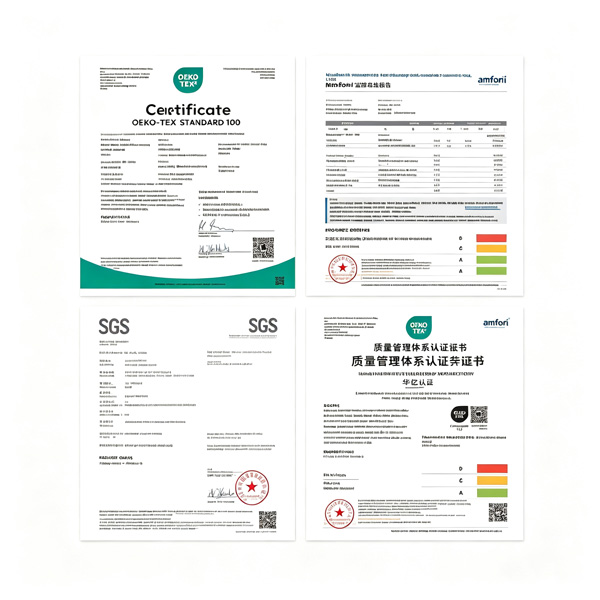
Compliance for Export Markets
Global brands need more than functional performance. They also need chemical safety, social compliance, traceability, and quality management support. Relevant certifications may include OEKO-TEX Standard 100, BSCI, ISO 9001, GRS, RoHS, REACH, CA65, and other market-specific documents. These requirements are especially important for Europe, the United States, the Middle East, Latin America, South America, and Asia.
The practical advice is to confirm compliance before bulk production, not after shipment. If a brand requires recycled content, chemical limits, restricted substances, or special labeling, the zipper specification should be locked early. Late changes can create delays, extra testing costs, and shipment risk.
If you are building a new line and want a clear recommendation instead of a catalog dump, you can send your product details through our contact page: request a #5 zipper consultation or sample plan. Our technical team can review your fabric, application, expected usage, and compliance needs before recommending a construction.
Frequently Asked Questions
Is a #5 zipper strong enough for outdoor jackets?
Yes, a #5 zipper is strong enough for many outdoor jackets, hiking shells, ski garments, and workwear applications. The final choice should depend on fabric weight, pocket position, waterproof needs, slider type, and required testing standard.
When should I choose #4 or #5 invisible zippers instead of #3?
You should consider #4 or #5 invisible zippers when the garment or home textile uses thicker fabric, higher tension, or premium construction. These sizes keep the hidden appearance while offering better pull strength and lower risk of zipper bursting than #3 invisible zippers.
Which #5 zipper is better for bags: nylon coil, molded plastic, or metal?
Nylon coil works well for soft backpacks and curved openings. Molded plastic is better for outdoor bags needing structure and corrosion resistance. Metal is best for premium fashion bags where visual texture matters. The best choice depends on load, style, weather exposure, and brand positioning.
Can #5 zippers be customized with brand logos?
Yes, #5 zippers can be customized with logo sliders, laser-engraved pullers, embossed silicone pullers, UV-printed details, special plating, custom tape colors, and adjusted lengths. Buyers should confirm artwork, finish, MOQ, and approval samples before bulk production.
What certifications should global brands request for zipper sourcing?
Global brands commonly request OEKO-TEX Standard 100, REACH, RoHS, GRS, BSCI, ISO 9001, CA65, and related compliance documents. The required certificates depend on the target market, product type, material, and retailer standards.
Conclusion: Why the #5 Zipper Remains the Industry’s Practical First Choice
The #5 zipper earns its place because it balances size, strength, durability, appearance, and customization better than most alternatives. It supports apparel, bags, outdoor gear, workwear, and accessories without adding unnecessary bulk. With the right material, puller design, testing process, and compliance documents, it becomes a low-risk choice for serious product development. If you are planning your next-season zipper program, contact RHF for tailored recommendations, samples, and a stable supply plan backed by 18 years of manufacturing experience, strict quality control, a 3-year official warranty, and proven long-term service performance.
Contact our technical team to discuss your #5 zipper solution and request samples.