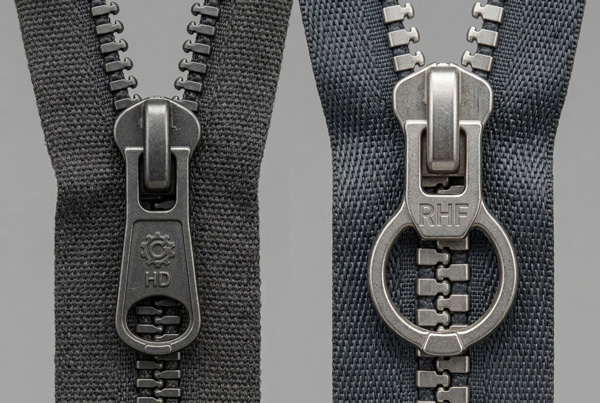
How to Choose the Best Heavy Duty Zipper for Your Project
Industrial buyers use the term “heavy duty zipper” in many different ways. For one customer, it may mean a physically large #10 or #15 zipper. For another, it may simply mean a better-quality zipper that will not jam, split, or fail during normal use. Other buyers use “heavy duty” to describe a specific application, such as a commercial tent, marine cover, tactical bag, industrial curtain, or protective enclosure.
This difference matters because a customer’s search term is not always a complete product specification. A request for a “heavy duty invisible zipper,” for example, may sound like a request for a large-gauge invisible zipper. After further discussion, however, the buyer may actually want a high-quality #5 invisible zipper, a reverse-coil zipper, or a closure hidden behind a fabric panel.
For manufacturers, contractors, sourcing teams, importers, and brands, the correct approach is to translate the search term into the application, material, construction, dimensions, performance requirements, and test criteria that the finished product actually needs.
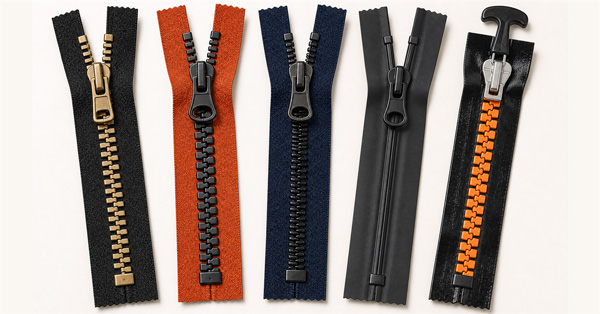
1. What Does “Heavy Duty” Actually Mean in a Zipper Request?
Heavy duty is not a universal zipper grade
There is no single zipper size or material that represents every heavy duty requirement. The expression may refer to one or more of the following:
- Physical size: The customer genuinely needs a larger #8, #10, #12, #15, or #20 chain.
- Mechanical strength: The zipper must resist high lateral load, internal pressure, repeated pulling, or accidental opening.
- Product quality: The buyer wants better tape, smoother operation, a stronger slider, more consistent teeth, or a longer service life.
- Environmental performance: The zipper will be used around saltwater, UV exposure, rain, sand, oil, chemicals, heat, or low temperatures.
- Application suitability: The buyer needs a zipper for a tent, marine cover, tactical product, industrial curtain, tool bag, or protective enclosure.
- Special function: The request may involve water resistance, watertightness, airtightness, flame resistance, or another functional requirement.
A search term is a starting point, not a final specification
A zipper factory should not automatically recommend a #10 zipper whenever the words “heavy duty” appear in an inquiry. It should first determine what the customer wants the zipper to do, what failed previously, and which operating conditions the finished product will face.
The same principle works in the opposite direction. A supplier should not immediately reject an inquiry because the buyer uses an unusual expression. The customer may be describing the expected result rather than using the technically correct zipper name.
2. Translate the Customer’s Search Term Into a Real Zipper Specification
The following table shows how common heavy duty zipper searches can represent different purchasing intentions.
| Customer Search Term | Possible Meaning | What the Supplier Must Confirm |
|---|---|---|
| Metal or brass | Rugged appearance, abrasion resistance, heat performance, or high strength | Metal type, gauge, finish, humidity, salt exposure, washing, and required strength |
| Plastic or nylon | Large size, corrosion resistance, flexibility, or better durability | Opening shape, required gauge, load, tape strength, slider type, and environment |
| Invisible or concealed | High-quality invisible zipper, reverse coil, or a zipper hidden behind a flap | Photo, sample, installation drawing, appearance, gauge, and performance priority |
| Waterproof, marine, or airtight | Splash resistance, outdoor durability, watertightness, or pressure-rated sealing | Exposure conditions, test pressure, acceptable leakage, seam construction, and operating environment |
| Tent or military grade | Suitability for a specific product or operating environment | Product type, opening geometry, load, weather, safety requirements, and named standards |
| Extra heavy duty, giant, industrial strength, or sturdy | Larger chain, higher strength, longer life, or better overall quality | Actual chain width, load, cycle life, material, installed length, and failure history |
Heavy duty metal zipper
A customer may use this term when looking for high strength, abrasion resistance, heat performance, or a rugged metal appearance. Confirm whether the application is dry or wet, straight or curved, and whether the buyer prefers brass, aluminum, nickel, or stainless steel. For available materials, finishes, gauges, and custom configurations, Learn more.
Heavy duty brass zipper
Brass may be selected for its appearance, durability, abrasion resistance, or suitability for workwear and leather products. Buyers should confirm whether they need solid brass-colored teeth, an antique finish, a specific slider material, or resistance to washing and humidity. For a project-specific brass zipper recommendation, Contact us.
Heavy duty plastic zipper
This search may describe a large molded-tooth zipper, a corrosion-resistant outdoor closure, or simply a durable plastic zipper. Confirm the gauge, minimum bend radius, operating temperature, UV exposure, tooth material, slider material, and required color. To review molded plastic zipper options, Learn more.
Heavy duty nylon zipper
The buyer may want a larger coil, reinforced tape, stronger coil anchoring, a more durable slider, or a flexible zipper that can follow corners. This construction is frequently considered for tents, bags, industrial curtains, luggage, and flexible equipment covers. To explore nylon coil constructions and available sizes, Learn more.
Heavy duty invisible zipper
A genuine invisible zipper is normally available in relatively small gauges rather than the large sizes associated with industrial chains. In many inquiries, “heavy duty” means the buyer wants a high-quality invisible zipper with better tape, a reliable slider, consistent sewing performance, and a longer service life.
In other cases, the buyer may be describing a reverse-coil zipper with the chain facing inward. Asking for a photo or reference sample prevents the supplier from rejecting a request that can be solved with a different construction. To review invisible zipper options, Learn more.
Heavy duty concealed zip
“Concealed” may describe a genuine invisible zipper, a reverse-coil zipper, a zipper installed behind a panel, or a closure protected by a storm flap. These are different products and should not be quoted from the keyword alone. Send us the product photo, drawing, or reference sample so we can identify the correct construction. Contact us.
Heavy duty waterproof zipper
This expression can refer to a reverse zipper with limited splash protection, a PU-coated water-resistant zipper, a waterproof closure installed with sealed seams, or a specialized watertight system. Buyers should specify the exposure type, test pressure, duration, acceptable leakage, and installation method. To compare waterproof zipper constructions, Learn more.
Heavy duty tent zipper
The correct tent zipper depends on whether the product is a camping tent, commercial shelter, military tent, inflatable structure, industrial enclosure, or containment barrier. Confirm the door shape, opening length, panel tension, wind exposure, required access direction, and water-protection level. For a tent zipper recommendation based on your design, Contact us.
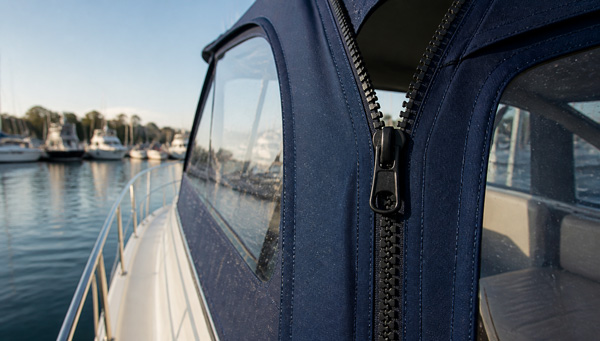
Heavy duty marine grade zipper
Marine applications can involve salt, moisture, UV radiation, wind, and repeated panel movement. The chain, slider, puller, stops, tape, and attachment seam should all be evaluated. For marine projects requiring advanced sealing performance, Learn more.
Military grade zipper
“Military grade” is not a complete technical specification. It may describe high cycle life, low-reflective finishes, tactical colors, glove operation, flame resistance, chemical resistance, or compliance with a named contract requirement. Send the end use, target country, test standard, and required performance information for review. Contact us.
Extra heavy duty zipper, industrial strength zipper, and giant zipper
These searches are more likely to indicate a genuinely large or high-load construction, but the required size should still be confirmed. Depending on the product, the correct solution may be #10, #12, #15, #20, or a custom industrial closure. Provide the load, chain width, installed length, base material, opening frequency, and maximum acceptable operating force. Contact us.
Sturdy zipper
“Sturdy” normally describes the expected result rather than a particular construction. The customer may want stronger tape, better tooth alignment, fewer slider failures, improved puller strength, or a longer service life. Tell us what failed on the previous zipper so the correct component can be improved. Contact us.
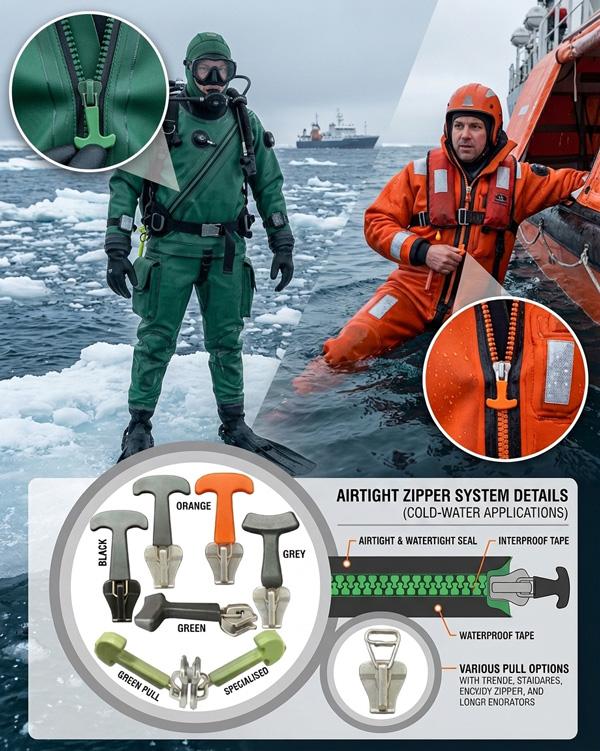
Airtight zipper
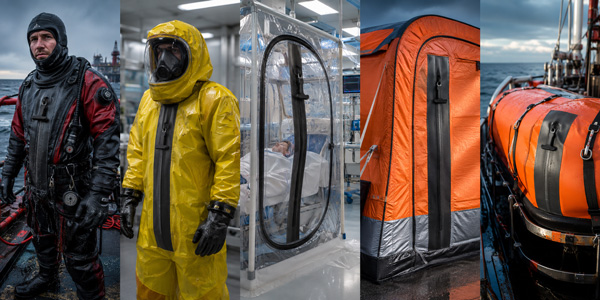
An airtight zipper is a specialized sealing product used for protective suits, inflatable structures, containment equipment, pressure-controlled products, and other technical applications. The buyer should define pressure, acceptable leakage, temperature, chemical exposure, opening frequency, and the installation method. To review airtight zipper solutions, Learn more.
3. Ask These Questions Before Recommending a Heavy Duty Zipper
What is the finished product?
Ask for the product name, photo, drawing, technical pack, or existing sample. “Industrial cover,” “tent,” and “protective equipment” are more useful descriptions than the words “heavy duty” alone.
What problem must the zipper solve?
Identify whether the priority is higher load capacity, smoother operation, corrosion resistance, curved installation, water control, longer cycle life, better appearance, or fewer quality defects.
What failed on the previous zipper?
- The chain separated after closing.
- The slider became loose, jammed, or corroded.
- The puller broke during operation.
- The tape or sewing seam tore beside the chain.
- The top or bottom stops came off.
- The zipper was too stiff around a corner.
- Water entered through the chain or attachment seam.
The original failure point shows whether the customer needs a larger chain or simply a better slider, stronger tape, wider sewing area, improved corrosion resistance, or better installation.
What material will surround the zipper?
Request the fabric type, weight, thickness, coating, stiffness, seam construction, and reinforcement method. A strong chain cannot perform correctly if the tape or surrounding material cannot carry the same load.
Is the opening straight, curved, or folded?
Rigid teeth may work well on straight openings but become difficult to operate around tight corners. Flexible coil constructions are generally easier to use on U-shaped doors, curved equipment cases, folding panels, and long flexible covers.
How often will the zipper be opened?
A closure opened twice per year has different requirements from one operated hundreds of times per shift. High-frequency projects should specify cycle life, slider wear resistance, operating force, and inspection requirements.
What environment will the zipper face?
Document water, salt, UV radiation, sand, dust, mud, oil, chemicals, washing, high temperature, low temperature, flame, and storage conditions. Check every exposed zipper component—not only the teeth.
4. Can Metal, Nylon, and Plastic Zippers All Be Heavy Duty?
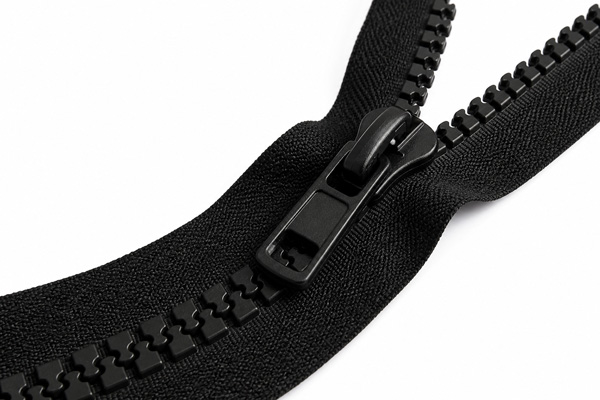
Yes. Metal, coil, and molded plastic constructions can all be used for demanding products. The best choice depends on the application rather than a universal material ranking.
| Construction | Best Starting Applications | Main Advantages | Main Limitations to Check |
|---|---|---|---|
| Metal teeth | Workwear, leather goods, tool bags, dry industrial products | Rugged appearance, abrasion resistance, structural feel, heat options | Weight, rigidity, corrosion, finish durability, curved installation |
| Polyester or nylon coil | Curved tents, bags, equipment cases, industrial curtains, flexible covers | Flexibility, smooth operation, curve performance, low profile | Coil anchoring, tape strength, abrasion, heat, slider compatibility |
| Molded plastic teeth | Marine covers, outdoor equipment, commercial tents, protective covers | Corrosion resistance, lower weight, visible engagement, outdoor suitability | Bend radius, low-temperature flexibility, UV stability, tooth damage |
| Invisible or concealed construction | Products requiring a clean or hidden closure appearance | Low visibility, clean design, multiple installation options | Limited gauge, terminology confusion, installation accuracy, lower structural capacity |
The complete zipper assembly determines performance
A large metal chain attached to weak tape is not a reliable industrial closure. A corrosion-resistant molded chain paired with a vulnerable metal slider is not fully suitable for marine use. A strong coil sewn into an unsupported fabric edge may still tear away from the finished product.
Buyers should evaluate the chain, tape, slider, puller, top and bottom stops, pin-and-box unit, sewing thread, reinforcement, and surrounding fabric as one system.
5. Recommended Starting Specifications by Application
The following recommendations are starting points for supplier discussion. Final selection should be confirmed with installed samples and application-specific testing.
| Application | Possible Starting Construction | Important Points to Confirm |
|---|---|---|
| Commercial tents and shelters | #8 or #10 coil for curves; #10 molded teeth for straighter openings | Door shape, panel tension, wind, two-way access, end reinforcement, and rain protection |
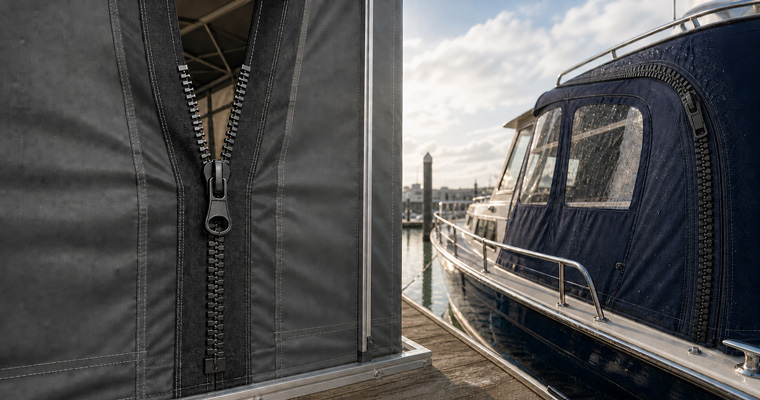
| Marine covers and enclosures | Corrosion-resistant #8 or #10 molded or coil construction | Salt, UV, slider and stop material, tape stability, wind load, and water exposure |
| Industrial curtains and machinery covers | Continuous coil for folding panels; molded teeth for straight high-load openings | Dust, oil, abrasion, side loading, tape width, panel alignment, and access frequency |
| Tool bags and protective cases | #8 coil for medium-heavy use; #10 coil or molded teeth for larger loaded cases | Corners, head-to-head sliders, puller strength, end reinforcement, and loaded cycling |
| Workwear and tactical equipment | #8 or #10 metal, coil, or molded construction according to fabric and exposure | Locking slider, glove operation, abrasion, low reflectivity, flame, and chemical requirements |
| Pressure or containment products | Purpose-designed watertight or airtight sealing system | Pressure rating, leakage limit, temperature, chemical exposure, and installation method |
6. Common Heavy Duty Zipper Selection Mistakes
Assuming heavy duty always means #10 or larger
A buyer may be requesting better quality rather than a larger chain. An oversized zipper can add unnecessary stiffness, weight, sewing difficulty, and cost.
Rejecting an inquiry because the terminology is unusual
A customer asking for a large invisible closure may actually want better quality, reverse-coil construction, or a concealed installation. Requesting a photo or sample is more useful than saying the requested product cannot be made.
Choosing from the teeth alone
Many failures occur in the slider, puller, tape, stops, pin-and-box unit, seam, or surrounding material. The complete assembly must be reviewed.
Treating waterproof, marine grade, and airtight as interchangeable
These terms describe different performance levels. Ask for the test method, pressure, duration, exposure, acceptable leakage, and complete installation requirements.
Treating military grade as a complete specification
A military or tactical application may require specific colors, locking behavior, flame resistance, chemical resistance, glove operation, infrared performance, or compliance with a named standard. The application must be defined.
Approving a sample by appearance alone
A sample that looks strong may still fail after installation, repeated operation, side loading, corrosion, environmental exposure, or production variation.
7. How to Compare Zipper Quotations From Different Factories
Send every supplier the same RFQ
- Final application and product photo or drawing
- Preferred chain material and gauge
- Finished length and allowable tolerance
- Open-end, closed-end, two-way, or continuous-chain configuration
- Slider locking function, puller type, and access direction
- Tape material, width, and color
- Load, operating frequency, and environmental exposure
- Required tests and compliance documents
- Order quantity, annual forecast, packaging, and delivery schedule
Check whether the quoted products are actually comparable
Two quotations may use the same gauge and general product name but include different tape widths, sliders, pullers, stops, coatings, tolerances, tests, and packaging. Compare the complete construction instead of the item description alone.
Request product-specific test evidence
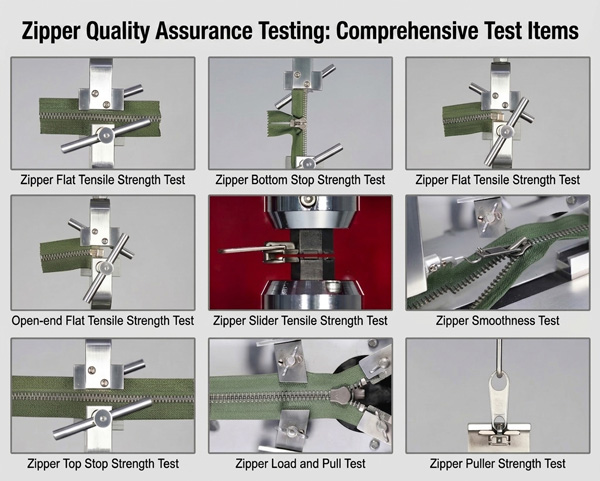
Depending on the project, relevant tests may include crosswise chain strength, top-stop strength, bottom-stop strength, slider-lock strength, puller pull-off strength, reciprocating durability, salt spray, UV exposure, water resistance, temperature, flame, or chemical compatibility.
Test the zipper in the actual product
Install the sample using the intended fabric, seam, reinforcement, orientation, and curvature. Test it under realistic load, panel tension, temperature, moisture, contamination, and operating conditions.
Approve a golden sample and pilot lot
The golden sample should freeze the chain, tape, color, slider, puller, stops, length, opening direction, and packaging. A pilot production lot then confirms whether the supplier can reproduce the approved construction consistently.
8. Frequently Asked Questions
Does heavy duty always mean a large zipper?
No. Depending on the buyer, it can mean a larger chain, better quality, improved durability, stronger components, or suitability for a difficult environment.
Can an invisible zipper be heavy duty?
Yes, if the buyer uses “heavy duty” to mean better tape, a more reliable slider, improved production consistency, or a higher-quality #5 construction. It should not be confused with a physically large industrial chain.
Is a concealed zipper the same as an invisible zipper?
Not necessarily. Concealed may describe a genuine invisible zipper, reverse-coil construction, a zipper installed behind a panel, or a closure protected by a storm flap.
Can a coil zipper be used for demanding industrial products?
Yes. Larger, well-constructed coil zippers are frequently selected when flexibility, curved installation, smooth operation, and good chain strength are required.
Is metal always stronger than plastic or coil?
No. Performance depends on the exact chain, tape, slider, stops, load direction, installation, and environment. A corrosion-resistant molded or coil construction may perform better than untreated metal in wet outdoor conditions.
Does marine grade mean waterproof?
No. Marine suitability generally focuses on salt, moisture, UV, corrosion, and outdoor durability. It does not automatically establish watertight performance.
What information should a buyer send to a zipper factory?
Send the application, product photo or drawing, base material, opening shape, finished length, expected load, operating frequency, environment, quantity, target market, packaging, and required tests.
9. Conclusion: Confirm the Application, Not Just the Search Keyword
Customers use “heavy duty zipper” to describe many different expectations. It may refer to a physically larger zipper, higher quality, greater durability, a preferred material, a hidden appearance, better water protection, or suitability for a demanding application.
The safest purchasing process is to confirm the finished product, previous failure, base material, load, opening geometry, environmental exposure, expected service life, and required test evidence before choosing the zipper construction.
If you are sourcing zippers for factory production, send us your product photos, drawings, samples, annual quantity, and performance requirements. We can help translate your application into a clear zipper specification. Contact us.