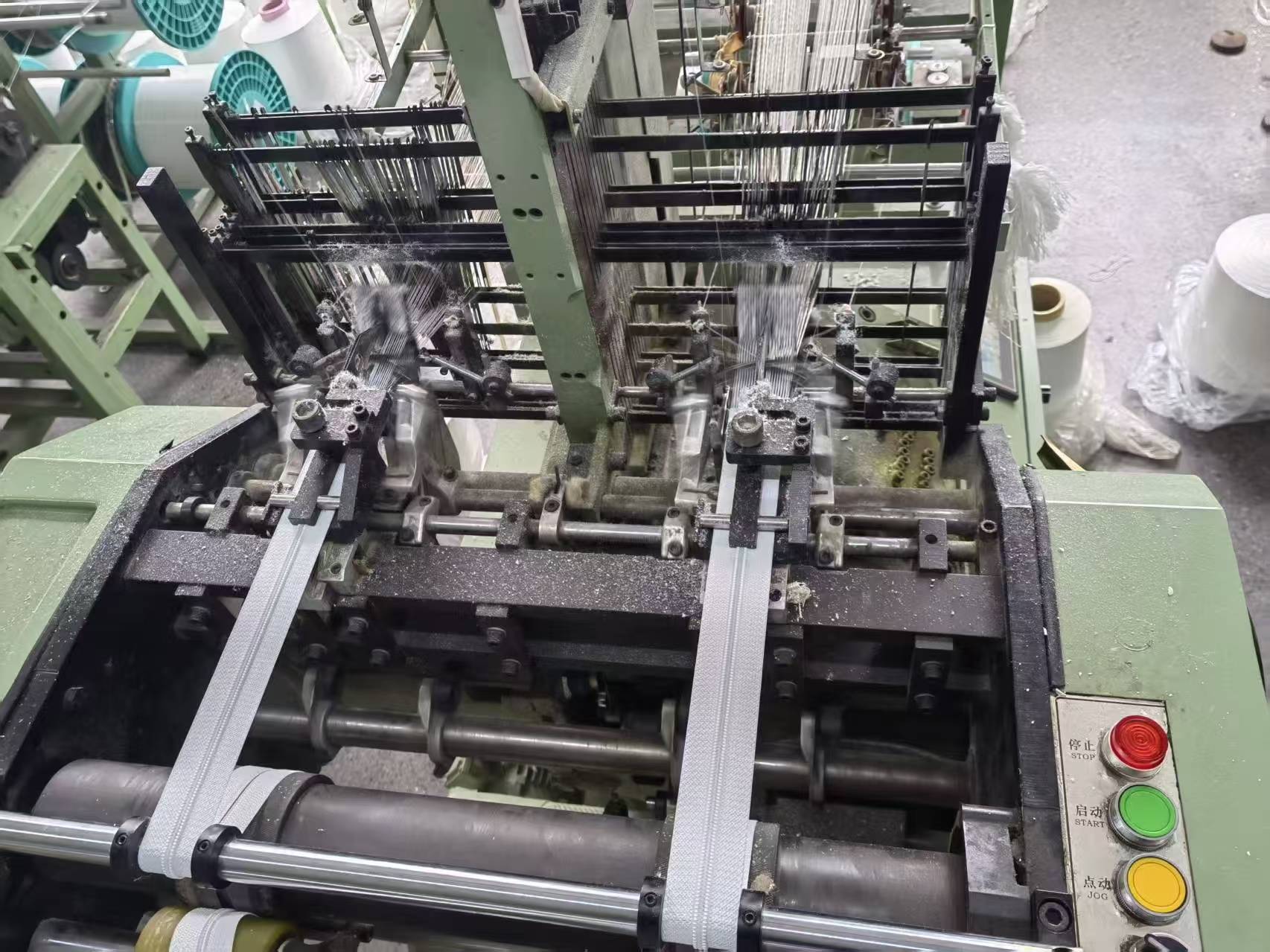
How to Choose a Reliable Separating Zipper Manufacturer?
A separating zipper manufacturer can look qualified after one smooth sample, but bulk garment production exposes the real risk. A weak open end zipper can cause insertion failure, color mismatch, rework, and delayed shipments. I recommend choosing the supplier by structure control, batch consistency, customization accuracy, and export compliance, not price alone.
A reliable separating zipper manufacturer should understand your garment application, confirm whether you need a separating zipper, open end zipper, or O.E. zipper, control the pin-box-bottom stop mechanism, maintain bulk color and length consistency, support inspectable OEM/ODM specifications, and provide clear quality testing and compliance documents before production.
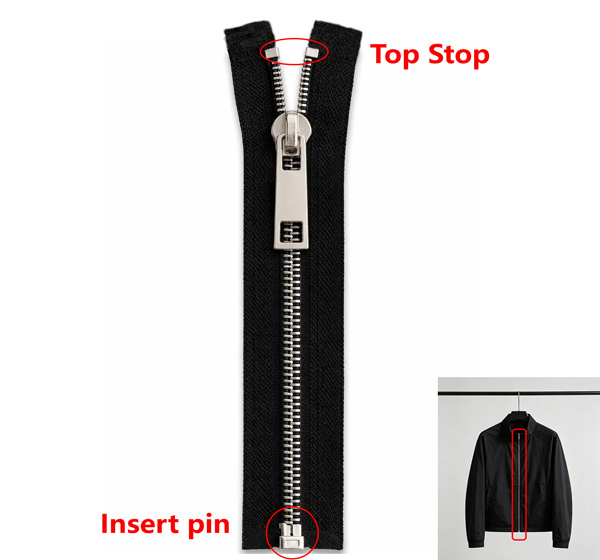
In real sourcing conversations, I hear different terms from different markets. North American buyers often say “separating zipper,” while UK, European, Asian, and factory-side teams often say “open end zipper” or “O.E. zipper.” The terms may point to the same open-bottom garment zipper, but the buying decision still needs technical clarity.
Why Should a Separating Zipper Manufacturer Start With the Garment Application?
Many sourcing problems begin when the buyer starts with price, size, or color before confirming the garment use. That shortcut can create the wrong zipper structure. The sample may zip well on a table, but the finished jacket may fail in wear, washing, or repeated fitting.
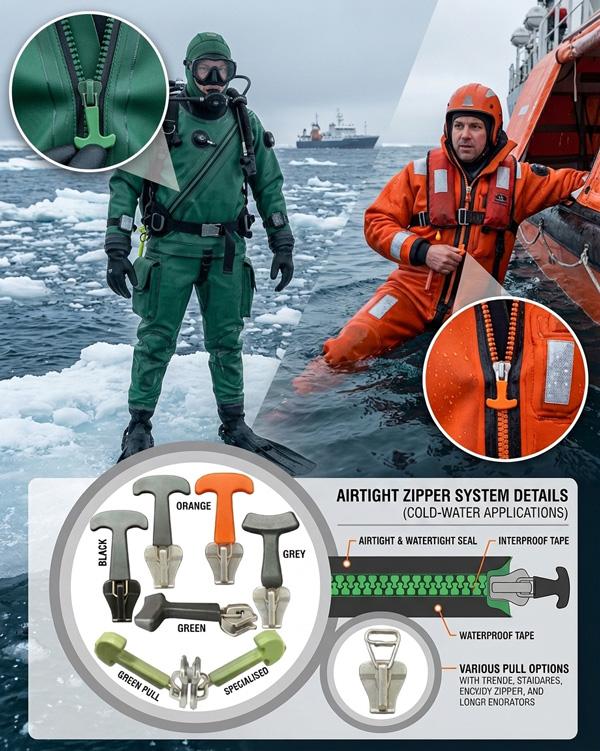
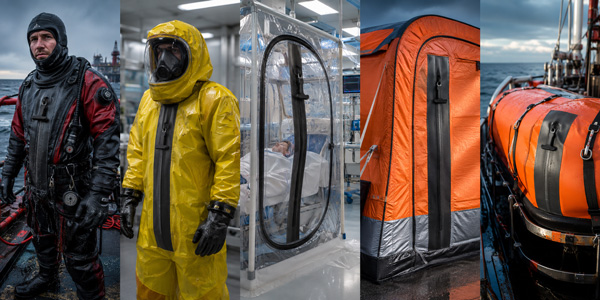
A good separating zipper manufacturer first asks where the zipper will be used. Lightweight jackets, outdoor shells, fashion coats, children’s wear, uniforms, and premium garments may need different teeth materials, sliders, tape widths, finishes, and bottom components. Application fit reduces rework and customer complaints.
The zipper type should follow the product risk
In my factory-side experience, the safest discussion starts with the garment category. A buyer may request “5# open end zipper” because that is what the previous supplier quoted, but the real requirement may be lighter weight, better weather resistance, a premium metal look, or a clean invisible finish. Each choice changes the cost, lead time, mold availability, slider matching, and inspection focus.
| Garment Application | Common Zipper Choice | Buyer Risk to Check |
|---|---|---|
| Lightweight jackets and hoodies | Nylon coil separating zipper | Tape softness, slider smoothness, color matching |
| Outdoor jackets and sportswear | Molded or Vislon open end zipper | Tooth strength, slider match, temperature performance |
| Premium fashion jackets | Metal separating zipper | Plating durability, teeth alignment, weight feel |
| Clean high-end appearance | Invisible open end zipper | Appearance tolerance, sewing compatibility, bottom insertion |
A practical supplier translates product intent into zipper engineering. For example, while a streetwear brand may seek a heavy metal aesthetic, the fabric weight must be technically compatible with that zipper’s weight. A school uniform program might prioritize cost and color consistency over a decorative puller.Crucially, because apparel zippers across all categories require a reliable auto-lock function to prevent accidental sliding during wear, the manufacturer must ensure high-precision slider matching.A high-performance ski jacket, for instance, would combine this essential locking reliability with a molded structure for superior weather resistance and a reinforced bottom assembly.
I usually advise buyers to prepare four simple inputs before asking for a quotation: garment type, fabric weight, target retail position, and required market. These details help the manufacturer recommend the right zipper family instead of guessing from a photo. If your team is comparing zipper types for a new jacket program, you can send the garment sketch and target market through this inquiry page and ask for an application-based recommendation.
How Does a Reliable Separating Zipper Manufacturer Control the Bottom Mechanism?
The bottom mechanism is often ignored until the garment factory starts sewing. Then the problem becomes expensive. If the pin, box, bottom stop, and slider are not matched correctly, operators may struggle to insert the zipper, and consumers may experience jamming or poor locking.
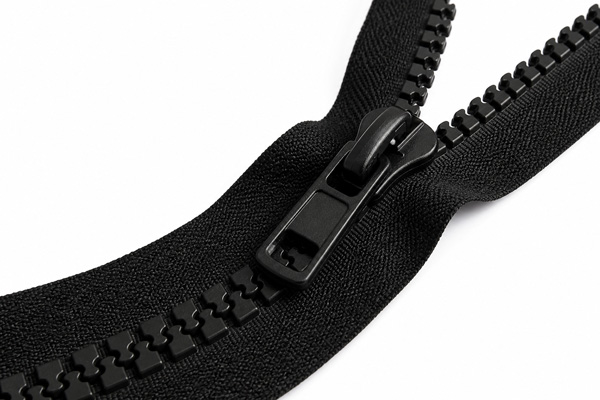
A reliable separating zipper manufacturer checks the open-bottom assembly as a system. The pin must enter the box smoothly, the slider must engage both sides evenly, and the auto-lock slider must match the chain structure. Small tolerance errors can become bulk garment failures.
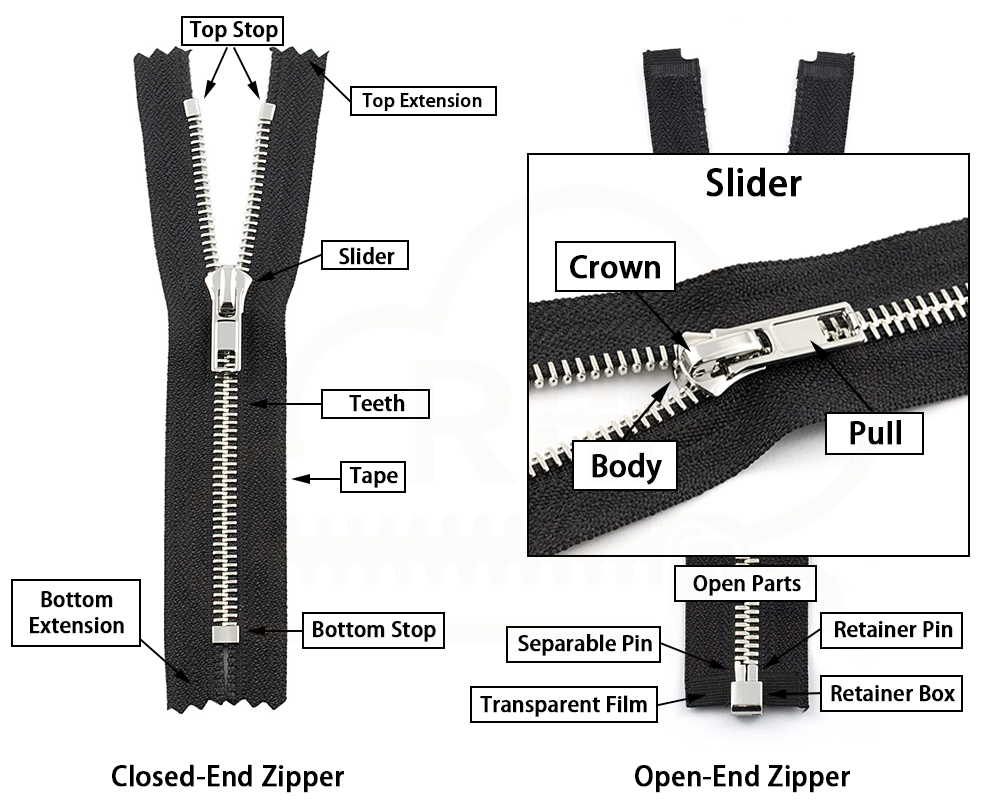
When a zipper fails, many people first blame the teeth. In open end zippers, I often look at the bottom assembly first. The pin may be slightly misaligned, the box may not fit the chain size, the bottom stop may create extra friction, or the slider may not be suitable for the teeth geometry. These problems may not appear during a quick sample check because a technician handles the zipper carefully. They appear when a sewing line processes thousands of pieces or when end users zip the garment quickly.
- The pin should insert without forcing or twisting.
- The box should hold the pin securely without excessive looseness.
- The slider should pull upward smoothly after the pin is fully seated.
- The auto-lock function should not feel too weak or unusually stiff.
- The bottom components should survive normal pulling, sewing, packing, and fitting.
A serious manufacturer should also understand mold and material boundaries. For molded zippers, the tooth shape and bottom parts depend heavily on tooling accuracy. For metal zippers, plating, teeth forming, and assembly precision can affect both appearance and function. For nylon coil open end zippers, the coil, tape, slider, and bottom box must work together to avoid waviness and insertion problems.
This is where transparent factory communication matters. I would rather tell a buyer that a requested design needs adjustment than ship a beautiful sample that is risky in bulk. If your current sample inserts poorly or requires two hands to start, do not accept “it will be fine in production” as an answer. Ask for the bottom component specification, slider type, chain size, and tolerance control method before approving bulk.
What OEM/ODM Details Should a Separating Zipper Manufacturer Confirm Before Quoting?
A vague quote creates a vague product. Buyers may request “custom zipper with logo,” but that phrase is not enough for production. If the manufacturer does not convert design intent into inspectable specifications, the order may suffer from wrong puller size, plating mismatch, or incorrect tape width.
OEM/ODM capability should be judged by specification clarity. A reliable supplier should confirm zipper structure, teeth material, tape color, length, width, slider type, puller material, logo method, surface treatment, finish color, packaging, inspection criteria, and approved sample reference.
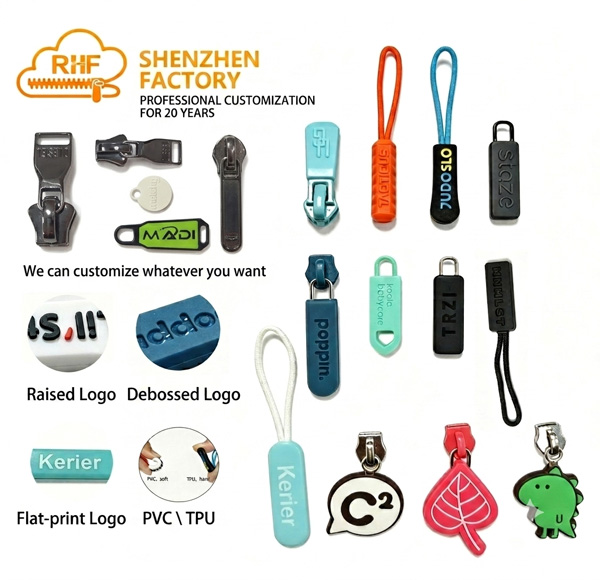
For a detailed overview of the materials, shapes, and finishing options available for your brand, please visit our specialized product page on
Custom Zipper Puller Solutions.
Customization is a production language, not a decoration list
In apparel sourcing, custom zippers often fail because the creative request never becomes a controlled production document. A brand designer may approve a logo puller from a rendering, but the factory still needs to know the puller thickness, alloy, hole size, plating process, logo depth, and pull strength expectation. A purchasing manager may approve “antique brass,” but the supplier must define whether the finish is electroplating, electrophoresis, spraying, or another process, because each one changes appearance and durability.
| Custom Item | What to Confirm | Risk if Unclear |
|---|---|---|
| Tape color | Pantone, fabric swatch, lab dip, light source | Shade variation between zipper and garment |
| Logo puller | Material, size, logo method, mold need | Weak puller, distorted logo, extra tooling delays |
| Finish color | Plating, electrophoresis, spraying, reference sample | Color fading, inconsistent shine, claim disputes |
| Length and cut | Measured zipper length, tolerance, end type | Sewing line stoppage or garment panel mismatch |
I also recommend discussing MOQ and lead time early. For many custom apparel separating zippers, a practical MOQ may range from about 500 to 3,000 pieces per color or specification, depending on material, custom puller, dyeing, and finish requirements. Standard sample preparation may take around 3 to 7 days when materials are available. Custom molds, special plating, or new color development can extend that timeline. Bulk production often falls around 10 to 25 days after sample approval, but the exact schedule depends on order quantity and process complexity.
These numbers are not promises. They are planning references. A transparent supplier will explain the variables instead of giving the shortest possible date to win the order. If you need a quotation that includes MOQ, estimated sample time, and bulk lead time by zipper type, you can request it through RHF Zipper’s contact form with your target quantity and tech pack.
How Can Buyers Verify Bulk Consistency From an Open End Zipper Factory?
A sample can be hand-selected, adjusted, and polished. Bulk production cannot rely on that method. The real test is whether the factory can repeat the same zipper length, color, smoothness, and bottom assembly across thousands of pieces and multiple purchase orders.
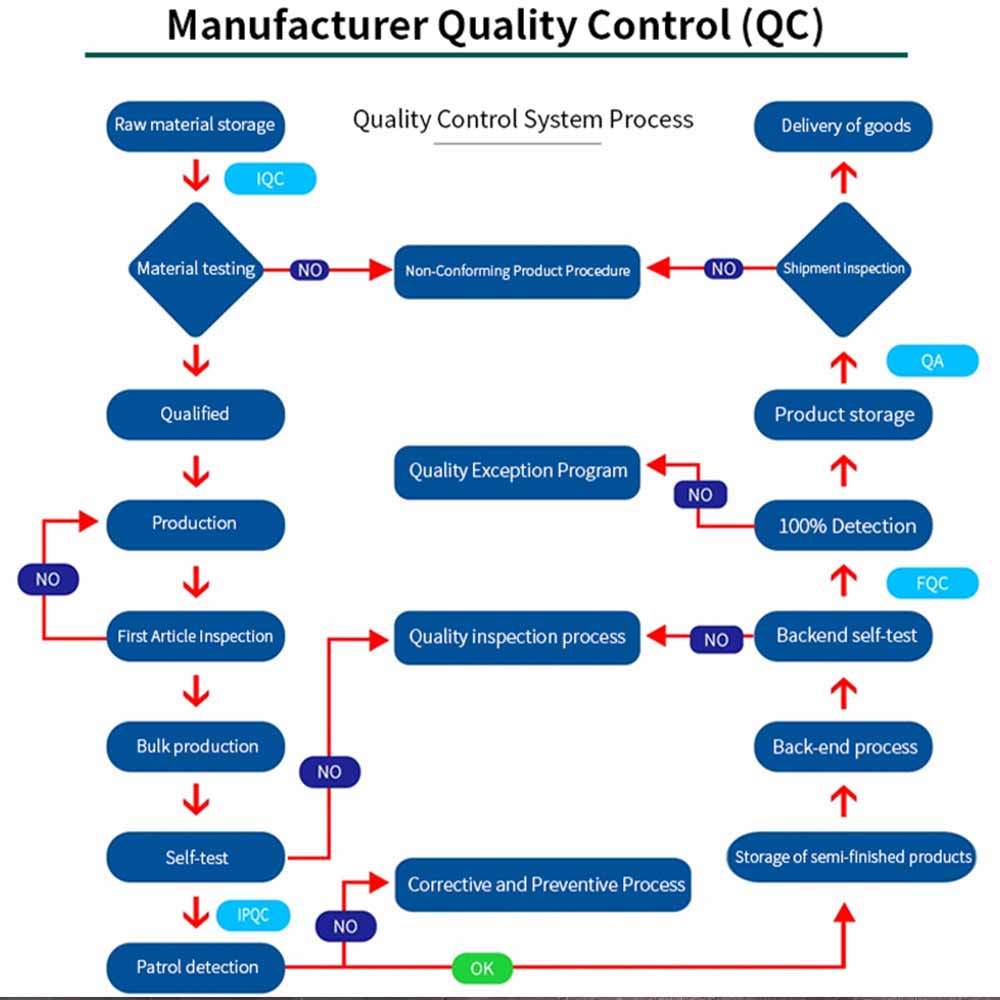
Buyers should verify bulk consistency by reviewing incoming material control, tolerance checks, assembly precision, color approval, performance testing, and final inspection. Certificates are useful, but process control determines whether the open end zipper works consistently in garment production.
Factory reliability lives in routine controls
In our own production discussions with apparel buyers, the most useful quality questions are usually simple. How do you check incoming tape, teeth, sliders, and plating parts? How do you control zipper length tolerance? How do you compare bulk tape color against the approved sample? How do you test pull strength, slider smoothness, and plating adhesion? These questions reveal more than a glossy catalog.
A manufacturer with stable systems should be able to explain the inspection path. At RHF, our production setup includes 6 production lines, and each line is supervised by quality control personnel with more than 5 years of zipper industry experience. That does not mean every project is simple. It means the buyer can ask process-based questions and receive concrete answers instead of vague reassurance.
- Incoming material inspection: The factory should check tape, metal, plastic, sliders, and accessories before production starts.
- Assembly precision: The chain, slider, pin, box, and bottom stop should be assembled within defined tolerances.
- Performance testing: Pull strength, smoothness, locking force, and plating adhesion should be checked according to project requirements.
- Final inspection: Bulk goods should be checked before shipment using agreed sampling rules and buyer specifications.
International standards such as BS EN 16732:2015 and ASTM D2061/D2062 are useful references for zipper performance. Compliance documents such as OEKO-TEX Standard 100, ISO 9001, BSCI, GRS, RoHS, REACH, and California Proposition 65-related documents can also matter for export markets. Still, I do not treat certificates as a replacement for quality control. A certificate may support the sourcing decision, but it does not check whether today’s open end zipper batch matches your approved sample.
For high-volume garment programs, I suggest asking for pre-production samples, production sample photos, and final inspection photos. Factory images of the production line, mold workshop, sample comparison, and packing area can reduce uncertainty. They also help your internal teams understand whether the supplier is actually producing, assembling, and inspecting the product or only trading it without process visibility.
What Sourcing Checklist Helps You Choose a Separating Zipper Manufacturer?
Supplier selection becomes risky when every factory appears similar. Most websites mention quality, service, and customization. The difference is whether the manufacturer can answer practical production questions with evidence, clear terminology, realistic timelines, and inspectable specifications.
Use a sourcing checklist that covers terminology, application fit, bottom mechanism, customization details, quality control, compliance, MOQ, lead time, and communication speed. The right separating zipper manufacturer should reduce sourcing risk before your garment factory starts sewing.
A practical checklist for purchasing managers
I like checklists because they move the discussion away from generic claims. A purchasing manager can use the same checklist for China, Vietnam, Turkey, India, or any other sourcing market. The goal is not to interrogate the supplier. The goal is to identify whether the supplier understands garment production risk and can communicate like a long-term partner.
| Checklist Area | Question to Ask | What Good Looks Like |
|---|---|---|
| Terminology | Do you treat separating zipper, open end zipper, and O.E. zipper as the same structure in this project? | The supplier confirms the open-bottom structure and avoids regional misunderstanding. |
| Application | Which zipper type fits this garment and why? | The recommendation considers fabric, use, retail level, and performance expectation. |
| Bulk control | How do you control color, length, smoothness, and assembly tolerance? | The supplier explains incoming checks, line inspection, testing, and final inspection. |
| Customization | Can you convert our design into a production specification? | The supplier lists structure, material, size, finish, logo, tolerance, and packaging. |
| Commercial planning | What are the MOQ, sample time, and bulk lead time assumptions? | The timeline is realistic and tied to material, mold, dyeing, and order volume. |
A good manufacturer should not be afraid of these questions. If the supplier only responds with “yes, we can do it” and a low unit price, you still do not know whether the zipper will pass your garment factory’s sewing schedule. I pay close attention to how quickly the supplier identifies missing information. A factory that asks for the fabric swatch, zipper length measurement method, target market, and approved color standard is usually thinking ahead.
This also protects the business relationship. Clear rules reduce disputes over color, finish, logo appearance, and delivery timing. If your team needs to compare current samples, factory photos, or sample differences before placing a larger order, prepare a short inquiry with photos, quantity, and delivery market. A manufacturer with real production experience should be able to respond with technical questions, not only a price list.
Frequently Asked Questions
Is a separating zipper the same as an open end zipper?
In many sourcing conversations, yes. “Separating zipper” is common in North American and technical usage, while “open end zipper” or “O.E. zipper” is common in UK, European, Asian, and factory trade communication. Buyers should still confirm the bottom structure, size, material, and slider type.
Which separating zipper is best for jackets?
The right choice depends on the jacket. Nylon coil works well for lightweight jackets, molded zippers suit outdoor and sportswear styles, metal zippers fit premium fashion jackets, and invisible open end zippers support a cleaner appearance. Fabric weight and performance expectations should guide the final choice.
What causes open end zipper insertion failure?
Insertion failure often comes from mismatched or poorly assembled bottom components. The pin, box, bottom stop, slider, and chain must align correctly. If tolerances are loose or the slider does not match the zipper structure, the zipper may jam, resist insertion, or lock abnormally.
What MOQ should I expect for custom separating zippers?
MOQ varies by material, color, puller, finish, and tooling needs. As a planning reference, many custom apparel zipper orders may start around 500 to 3,000 pieces per color or specification. Special molds, custom logo pullers, and unique finishes can raise the minimum order quantity.
Are certificates enough to prove zipper quality?
Certificates help with compliance and supplier screening, but they are not enough alone. Buyers should also check incoming material inspection, assembly precision, tolerance control, smoothness testing, plating adhesion checks, color consistency, and final inspection. Bulk consistency is proven through process control.
Conclusion
Choosing a reliable separating zipper manufacturer is a sourcing-risk decision, not only a price comparison. I would evaluate application fit, open end structure, bottom mechanism control, OEM/ODM specification clarity, bulk consistency, realistic lead time, and export compliance. If your team is developing jackets, uniforms, or premium apparel with custom separating or open end zippers, share your tech pack, sample photo, target quantity, and market requirements through RHF Zipper’s inquiry page and ask for a practical manufacturing review.