Custom TPU Zipper Puller with Logo: Design, Branding, and Ordering Guide for Fashion & Outdoor Brands
A zipper puller looks small. I see it fail often. When it fails, the whole jacket, bag, or outdoor product feels cheaper.
A custom TPU zipper puller with logo helps brands improve grip, washability, visual identity, and product value. The best result comes from correct TPU material, suitable logo processing, smart mold planning, and clear confirmation before mass production.
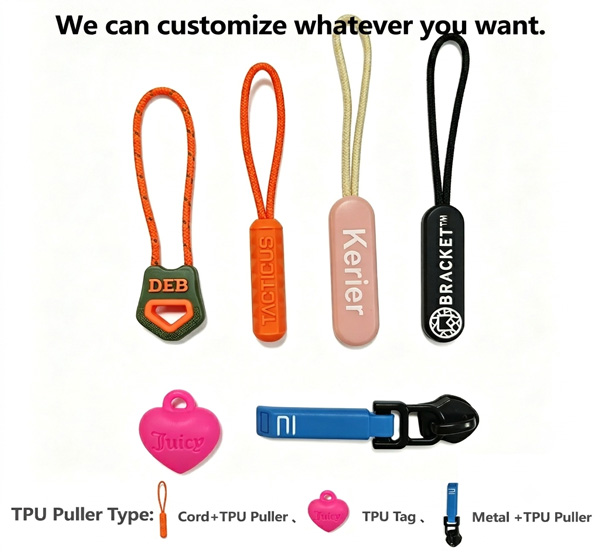
I have worked around zipper production at RHF Zipper for 18 years. I have seen buyers compare pullers by unit price only. I have also seen the same buyers pay more later because the material became sticky, the logo wore off, or the mold had to be remade. This guide is my practical view from the factory floor. I will explain how I look at TPU pullers, how I judge branding methods, and how I would help a fashion or outdoor brand move from artwork to bulk production with less risk.
Why are more brands choosing TPU zipper pullers?
Many buyers think a puller is only a handle. I do not agree. It is one of the most touched parts on a bag or jacket.
TPU is popular because it gives a clean look, flexible hand feel, good abrasion resistance, and better washability than many traditional soft materials. It also fits the compliance expectations of many international apparel and outdoor brands.
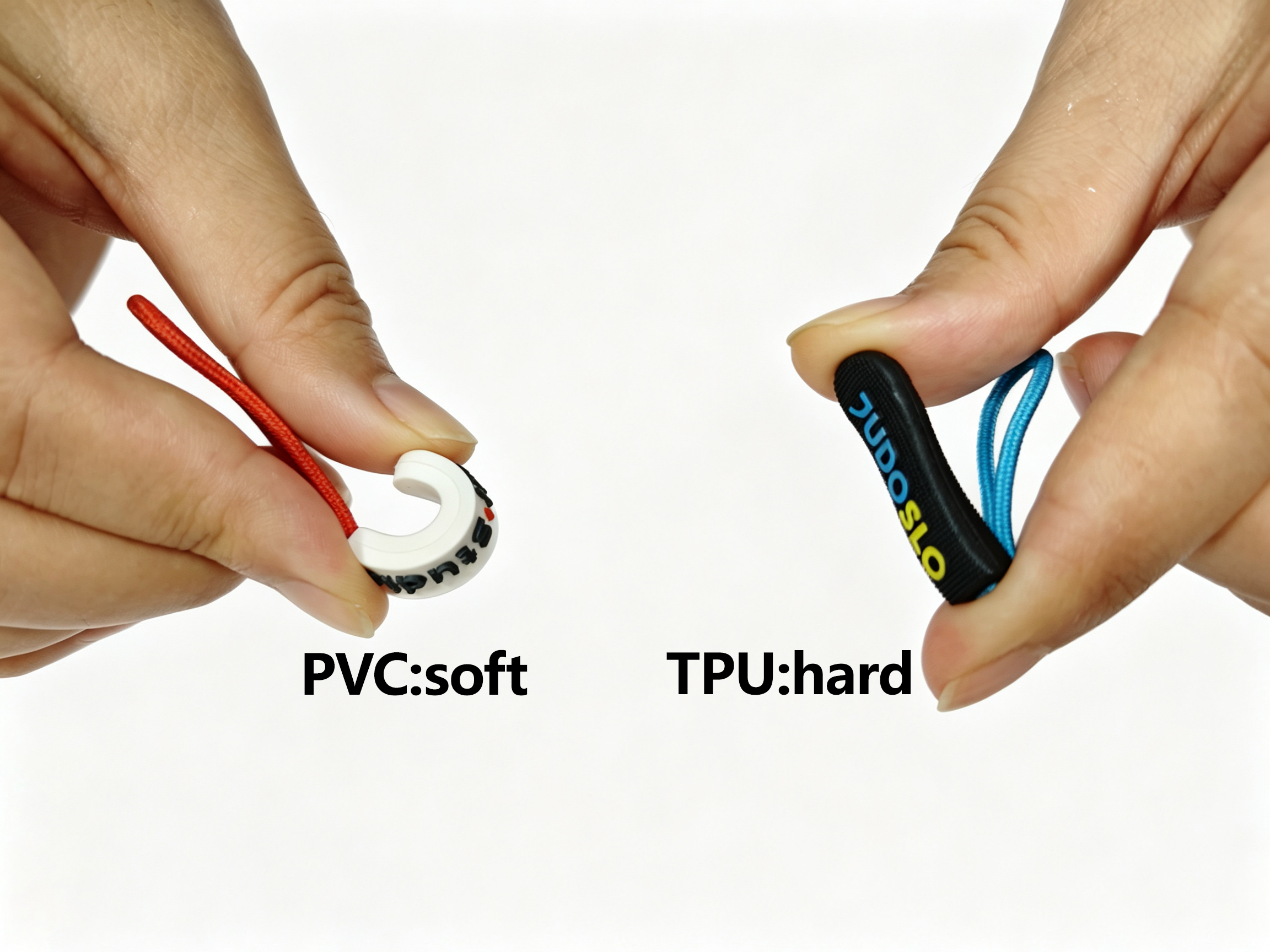
The real advantage of TPU
I usually start with the use case. Outdoor backpacks, ski jackets, running packs, and technical luggage face repeated pulling, bending, friction, sweat, rain, dirt, and washing. A good TPU puller can keep its surface and grip in these conditions for a long time. It is not magic. It is a material choice that matches the user behavior.
Silicone and PVC still have their place. I do not dismiss them. Silicone can feel soft. PVC can be cost-friendly and durable in some uses. But both can attract dust and stains more easily. They can also look tired after long friction. TPU gives brands a better balance when the final product needs clean styling, washing performance, and a more modern material story.
| Material | Main Strength | Considerations | Best Fit |
|---|---|---|---|
| TPU | Excellent abrasion resistance, environmentally friendly, washable, supports rich color options, and offers high production efficiency. The hardness can also be customized to meet different customer preferences. | TPU performance depends on the material formulation. Choosing a stable, high-quality TPU grade is important for long-term durability. | Outdoor, sportswear, premium bags, functional apparel |
| PVC | Suitable for standard products and specific application requirements. | Lower production efficiency results in relatively higher overall manufacturing costs. It is not recommended for repeated washing, and the surface is more likely to attract dirt and show wear after long-term use. | Basic accessories and cost-sensitive programs |
| Silicone | Soft touch, premium appearance, and excellent flexibility. | Higher material cost. The surface tends to attract dust and dirt, making it more suitable for premium products where tactile feel is a priority. | Premium apparel, children’s wear, luxury accessories, high-end branding |
There is no single “best” material. The right choice depends on the product’s application, brand positioning, target market, budget, and the tactile feel the customer wants to achieve. Some brands prefer a firmer TPU puller for better abrasion resistance and durability, while others choose silicone for its softer touch and premium feel. Our role is to recommend the most suitable material based on the product’s actual requirements rather than promoting one material for every project.
The material trap that buyers should not ignore
The most common mistake is the belief that all TPU is the same. I have seen suppliers reduce cost by mixing lower-grade or recycled TPU without clear disclosure. The puller can look normal when it leaves the factory. It can pass a simple visual inspection. After real use, it may become sticky, hard, cracked, or weak. This is why I always ask buyers to look beyond the sample surface.
When I receive a serious RFQ, I want to know the target market, the product price level, and the final use. This helps me suggest a realistic TPU grade, not only the lowest quote. A few cents saved on a puller can create a much bigger cost if the final product faces returns or brand complaints.
How should a brand choose the right TPU puller type?
A wrong puller type can make a strong product feel unfinished. I always match the structure to the product category first.
The three common forms are cord plus TPU puller, TPU tag, and metal plus TPU puller. Each form gives a different hand feel, brand area, cost range, and visual message.
For high-performance products requiring extra durability, our heavy-duty metal and TPU combined pullers provide the ideal structural integrity.
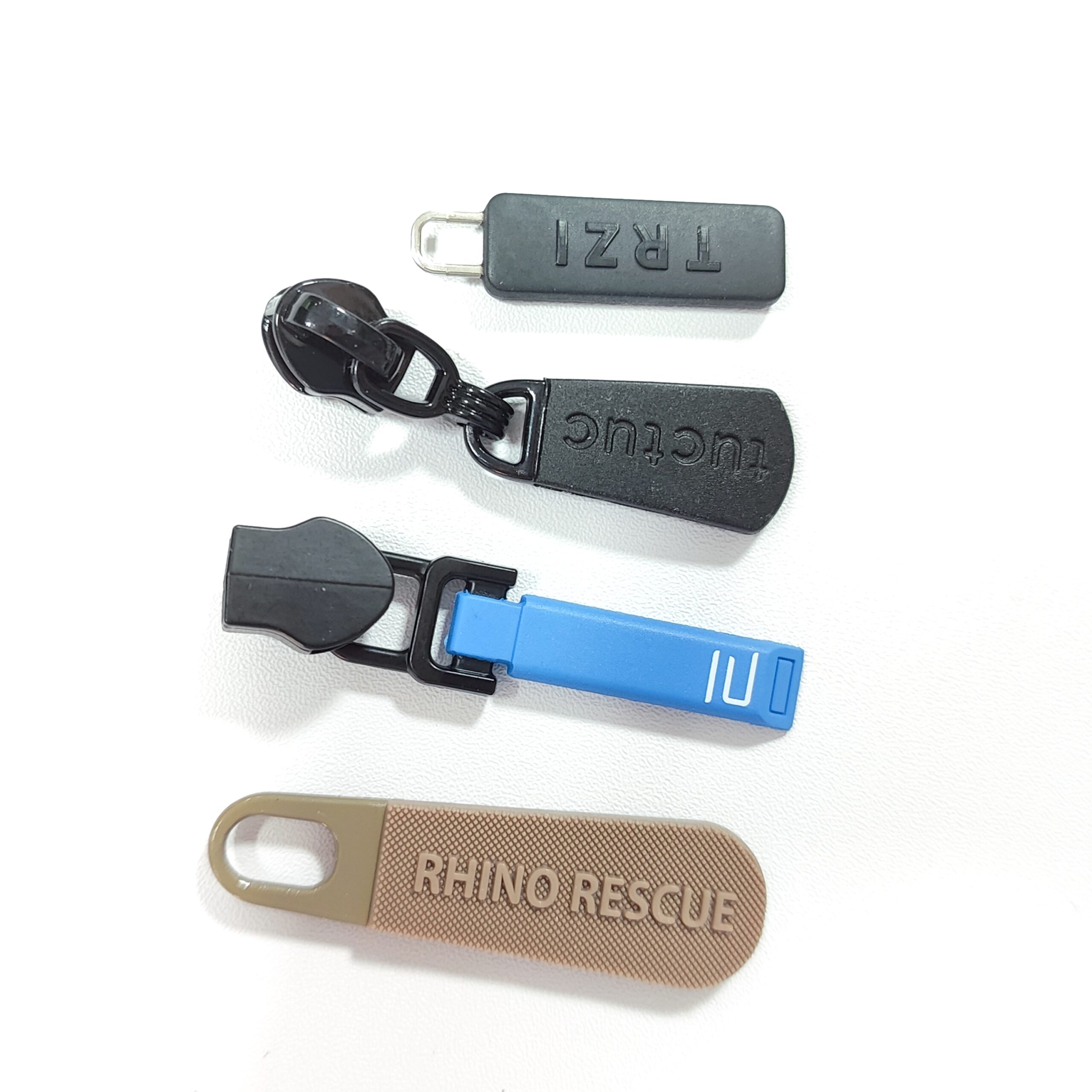
Cord plus TPU puller
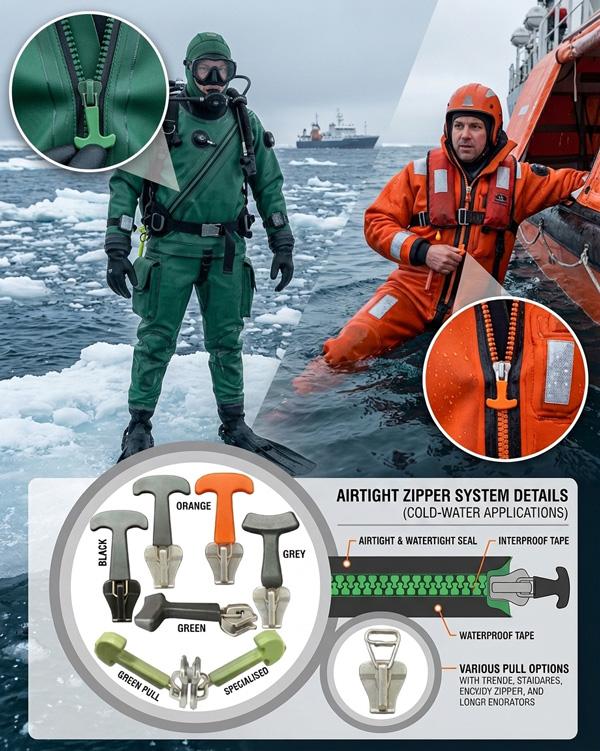
I see cord plus TPU pullers most often on outdoor packs, sports bags, travel bags, and functional pockets. The cord gives flexibility. The TPU end gives grip and brand expression. This type works well when users wear gloves or pull the zipper many times in wet or cold conditions. The cord diameter, knot design, TPU size, and hole structure all matter. If the cord is too thin, the puller can feel weak. If the TPU part is too bulky, it can swing too much or hit the garment surface.
TPU tag or pull label
A TPU tag gives more logo space. I suggest this format when a brand wants clear visual impact. It works well for fashion bags, luggage, children’s products, and promotional lines. The larger surface can support embossed logos, debossed logos, color blocks, and UV printing. The buyer should still control thickness and flexibility. A large tag that feels too stiff may look premium in a photo but feel uncomfortable in daily use.
Metal plus TPU puller
Metal plus TPU is a strong option for premium jackets and functional apparel. The metal part gives structure and a higher-end feel. The TPU part gives color, washing comfort, and a softer brand surface. Compared with complex all-metal pullers, this structure can also help control cost. I often recommend it when the brand wants a technical look without making the accessory too heavy or too expensive.
| Puller Type | Best Application | Design Focus |
|---|---|---|
| Cord + TPU Puller | Backpacks, outdoor bags, sports pockets | Grip, cord strength, hole structure, weight |
| TPU Tag | Fashion bags, luggage, visible branding | Logo area, thickness, flexibility, color |
| Metal + TPU Puller | Premium outerwear, technical apparel | Metal finish, TPU bonding, washing stability |
Which logo process gives the best branding result?
A logo process is not only decoration. I treat it as a durability decision and a brand decision.
Embossed, debossed, and UV printed logos can all work. The right choice depends on logo detail, color count, abrasion risk, and the brand tone.
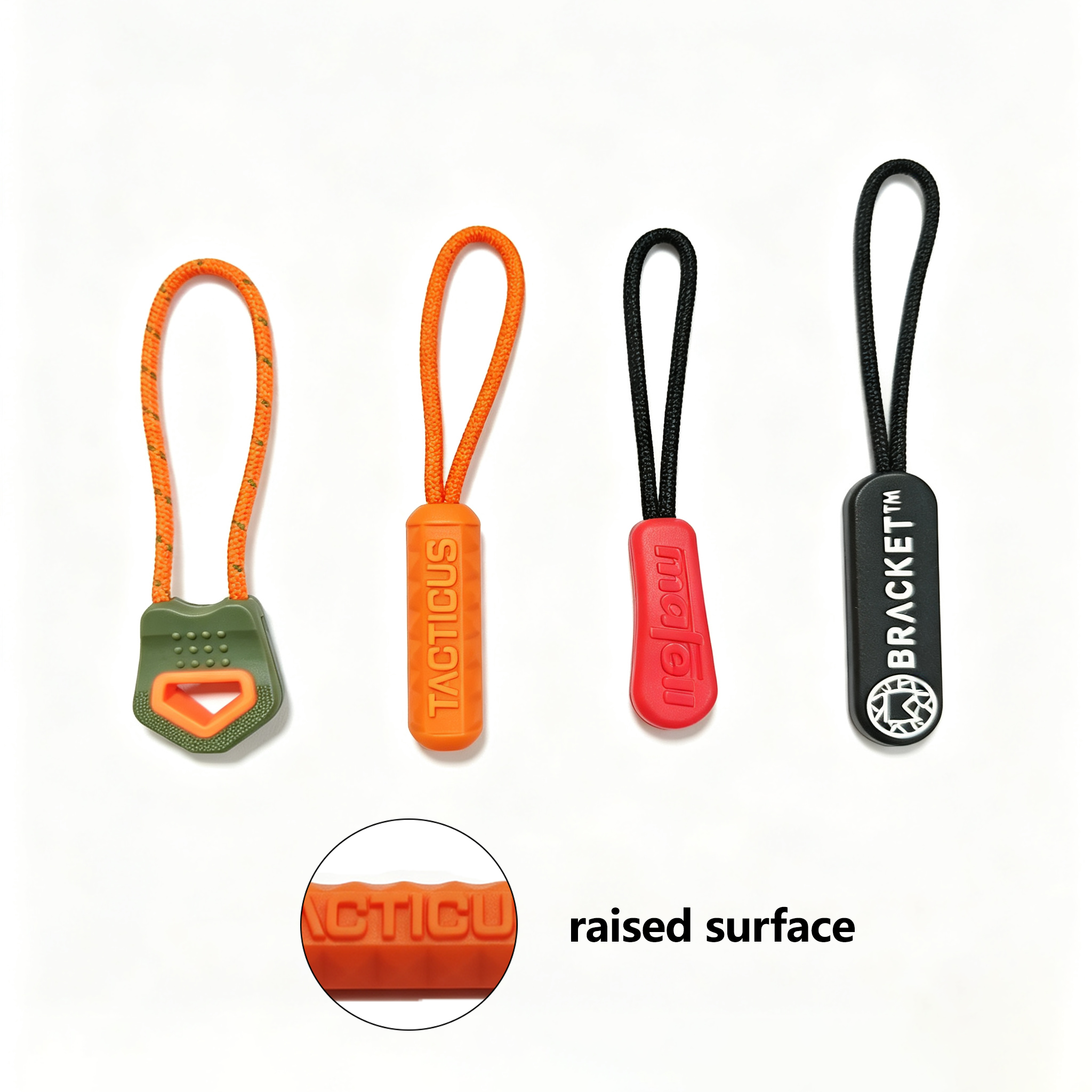
Embossed logo
Embossed logos are raised from the TPU surface. I consider this the most durable choice for simple branding because the logo is formed with the product. There is no surface ink layer to rub away in normal use. A single-color embossed logo is the most stable version. If the buyer needs multiple colors, we may need two-color injection or UV printing on top. That can work, but it adds process limits and cost. I always ask the design team to simplify very thin letters before tooling. Thin strokes can look good on a screen but disappear or de-form in a real mold.
Debossed logo
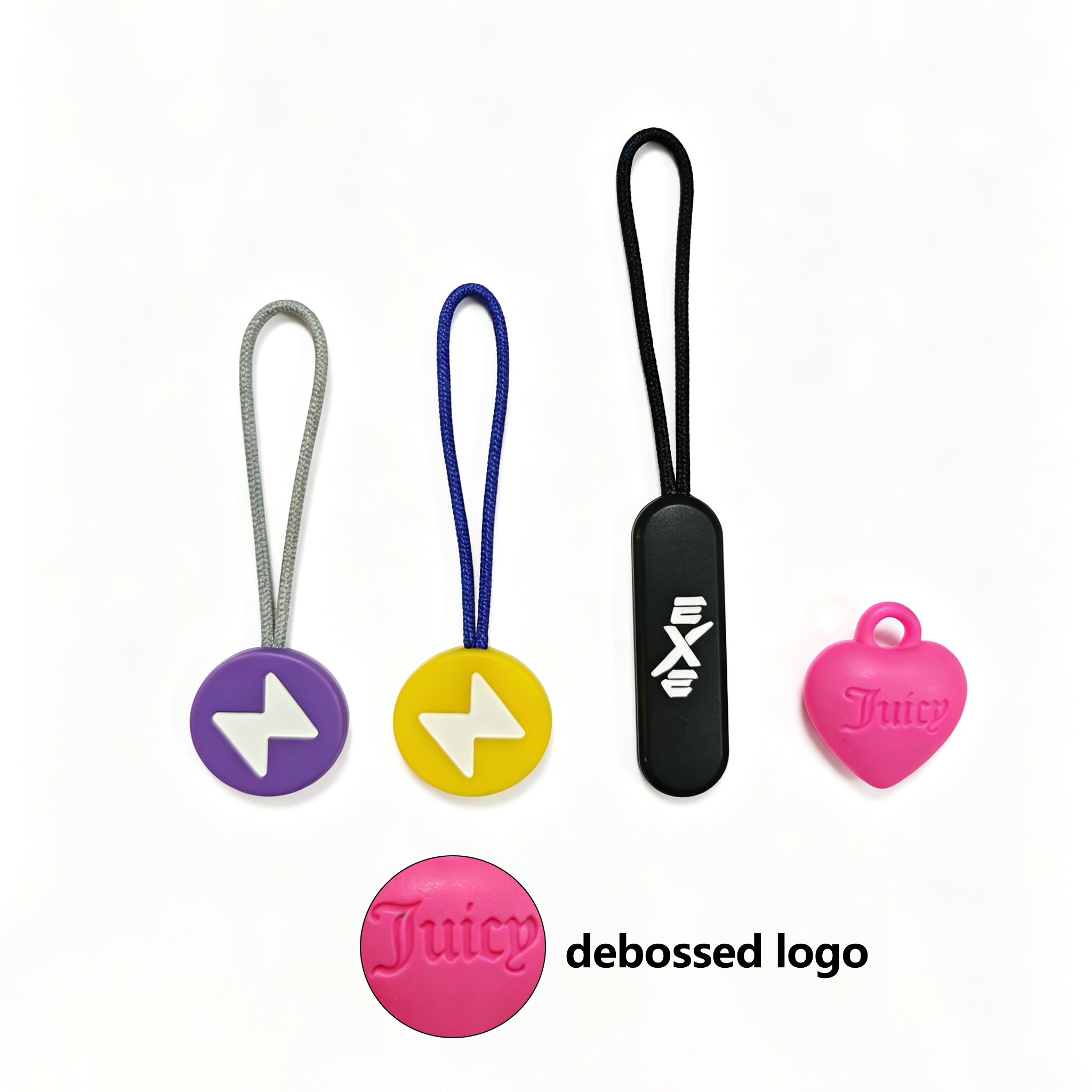
Debossed logos sit lower than the surface. I like this style for premium outdoor and minimalist fashion products. It looks quiet and more refined. It also protects the logo shape from direct surface friction. If the brand wants color inside the recessed area, we can consider ink or coating fill. This requires careful line width and depth control. If the groove is too shallow, the color fill may not stay clean. If the groove is too deep, dirt can collect more easily. Good debossing starts with a realistic drawing, not with a perfect marketing file.
UV printing
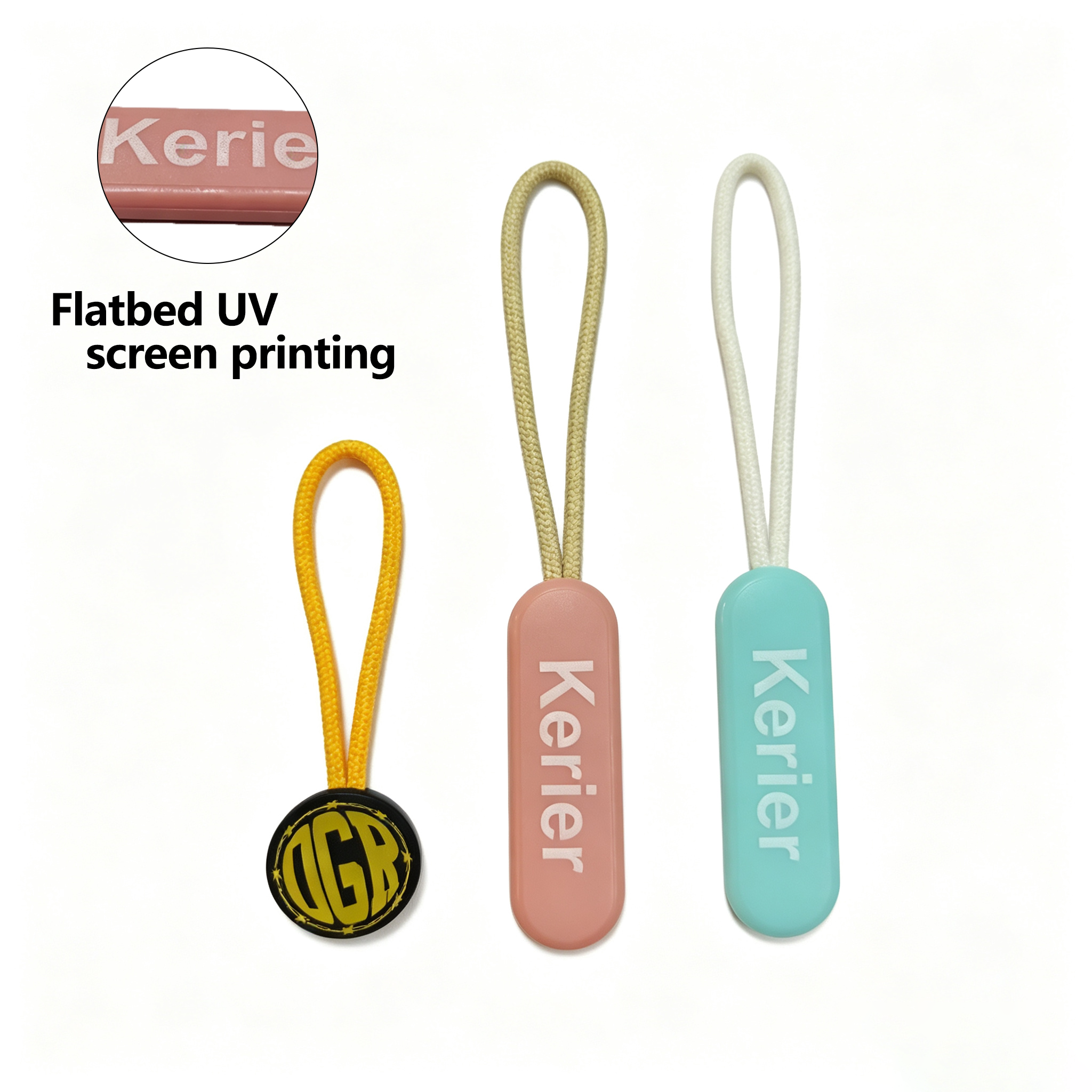
UV printing gives the most freedom for color. I use it when the logo has gradients, many colors, small graphics, or campaign artwork. It can produce a strong visual result. It is still a surface process, so I review the final use carefully. A puller on a fashion handbag may be suitable. A puller on a technical backpack that rubs against rocks, buckles, or gloves may need a more conservative approach. I do not believe every logo should be printed. I believe every logo should be matched to the real use.
| Logo Process | Best For | Risk to Control |
|---|---|---|
| Embossed | Simple, durable, long-term brand marks | Thin strokes and complex small text |
| Debossed | Premium, subtle, low-key branding | Groove depth and color filling |
| UV Printing | Multi-color graphics and detailed artwork | Surface abrasion in heavy outdoor use |
Should a brand use a public mold or a private mold?
Mold choice affects cost, identity, and control. I always explain this part clearly because it changes the business result.
A public mold is useful for quick testing. A private mold is better when a brand needs unique shape, better grip, stronger recognition, and long-term product value.
The limits of public molds
I use public molds when a customer needs a fast market test, a small trial order, or a low-risk launch. This is reasonable. The problem starts when a brand expects a public mold to create a strong identity. The market already has many similar shapes. The logo becomes an added mark, not a real design feature. In price competition, the same mold shape can appear from many suppliers. A brand then has less room to defend its product story.
The value of private molds
A private mold allows the brand to control the full puller. I can adjust the outer shape, thickness, edge radius, logo area, grip texture, hole size, cord fit, and bottom structure. This creates a stronger memory in the customer’s hand and eye. It also helps the product feel more intentional. I view private tooling as a high-return investment when the product line has stable volume or when the brand sells at a premium price point.
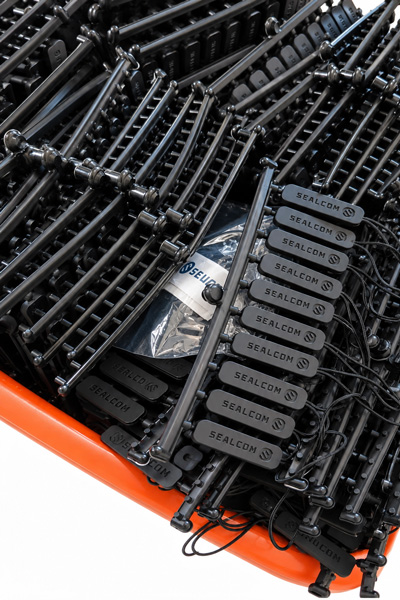
For a Custom TPU zipper puller project, I prefer to discuss mold strategy before sampling. A beautiful sample made from the wrong mold path can still become expensive later. A clear tooling plan helps the buyer protect budget, schedule, and brand assets.
What is the right ordering process from artwork to mass production?
Most costly delays happen before the mold is made. I try to remove confusion before metal cutting starts.
The best ordering process confirms the logo file, final application, factory-adjusted drawing, optional prototype, mold sample, and bulk production step by step.
The zero-rework principle
I use one rule with custom mold projects. All design changes should be confirmed before tooling. Once the mold is processed, a shape change is not a small revision. It often means new tooling, more time, and extra cost. This is why I slow down during the confirmation stage. I would rather spend one more day checking size and structure than ask the buyer to pay for a second mold.
| Step | What I Need | Why It Matters |
|---|---|---|
| 1. Client input | AI, CDR, or PDF logo file and final product use | I can judge material, size, logo method, and structure |
| 2. Factory optimization | Approval of adjusted production drawing | The design becomes realistic for molding |
| 3. Optional prototype | 3D print review for complex parts | The buyer can feel size and proportion before tooling |
| 4. Mold and sample | Final confirmation before tooling starts | I avoid expensive rework after mold cutting |
| 5. Mass production | Approved sample and order details | Bulk production can move smoothly and consistently |
When a buyer sends an inquiry through our RFQ channel, I suggest adding one sentence about the end product. “This puller is for a waterproof hiking backpack” is much more useful than only saying “please quote TPU puller.” The final application helps me protect the project from wrong assumptions.
How should TPU zipper puller quality be verified?
A sample can look fine in a meeting room. I still want to know how it behaves in production and daily use.
Quality verification should include material review, appearance control, pull strength, surface durability, color stability, and compliance documents based on the buyer’s market.
Factory quality control
At RHF Zipper, we operate our own production facility in Shenzhen and Dongguan, and we have 6 production lines. Each line is supervised by quality control staff with more than 5 years of zipper industry experience. I value this because zipper accessories need stable repeat production. One good sample is not enough. The real test is whether the 10,000th piece still matches the approved sample.
This high-standard QC process is why global leaders like Dior, Walmart, FILA, Porsche, JC, L’Oréal, and YSL trust RHF Zipper to handle their custom hardware requirements.
We use ISO 9001-based quality management in production. We check incoming materials. We control assembly tolerance. We inspect surface finish, size, logo clarity, pull performance, and final appearance. For zipper products, we also work with standards such as BS EN 16732:2015 and ASTM D2061/D2062 when the project requires them. Our certification support can include Oeko-Tex Standard 100, BSCI, ISO9001, GRS, RoHS, REACH, CA65, and related documents based on the buyer’s target market and product type.
Proven Compliance & Quality Assurance
We believe that quality starts with a solid foundation. Our facility and production processes are backed by comprehensive international certifications (such as ISO, OEKO-TEX, and GRS). These systemic reports serve as our commitment to environmental responsibility and material safety.
By maintaining these high-level institutional standards, we provide our clients with the necessary documentation to meet global retail requirements, ensuring peace of mind without the need for redundant project-based testing.
- I check material grade when the use involves outdoor friction, washing, or heat exposure.
- I check logo durability when the artwork uses UV printing or filled color.
- I check color and surface consistency when the product is part of a premium retail line.
- I check compliance needs when the buyer sells into Europe, North America, the Middle East, Latin America, South America, or Asia.
This approach keeps testing practical. It also helps the buyer spend money where the project has real risk. I see this as a better way to protect both quality and budget.
What should buyers prepare before sending an inquiry?
A clear inquiry saves time. It also helps me avoid giving a quote that looks fast but misses the real need.
Buyers should prepare the logo file, product application, expected quantity, target market, color requirements, preferred puller type, and any compliance or testing requests.
A practical inquiry checklist
- I need the 2D logo file in AI, CDR, PDF, or another clear vector format.
- I need the final application, such as outdoor backpack, ski jacket, luggage, running vest, or fashion handbag.
- I need the zipper size or puller connection method if the puller must match an existing slider.
- I need the target quantity for sampling and bulk production.
- I need the target market if the buyer has specific compliance requirements.
- I need the preferred logo method if the brand has a fixed design standard.
When I have this information, I can give a more useful answer. I can also point out problems early. For example, I may suggest a wider logo line, a stronger cord connection, a private mold, or a different logo process. This is where manufacturing experience becomes useful. It turns an artwork file into a product that can be produced, inspected, shipped, and used.
Conclusion
I see custom TPU zipper pullers as small engineered brand parts. The best results come from honest material choice, realistic tooling, suitable logo processing, and clear application details.