Separating Zipper: Complete Guide to Types, Sizes, Applications & B2B Sourcing
Introduction
A separating zipper, also known as an open-end zipper, is one of the most widely used zipper types in apparel and performance products. Unlike a closed-end zipper, a separating zipper allows the two sides of the zipper chain to completely separate after opening, making it an essential fastening solution for jackets, coats, outdoor clothing, uniforms, and technical garments.
For B2B buyers, selecting the right separating zipper is not only about choosing a size or appearance. The zipper must match the product application, fabric structure, durability requirements, washing conditions, and expected usage frequency.
A reliable separating zipper supplier should provide consistent quality in every component — from the teeth and tape to the slider, puller, bottom box, and pin system. A small mismatch in these components can directly affect production efficiency, customer experience, and final product quality.
This guide explains separating zipper structures, types, sizes, applications, customization options, and key sourcing considerations for international buyers.
What Is a Separating Zipper?
Definition of Separating Zipper
When sourcing zippers for manufacturing, you will frequently encounter two different terms describing the exact same product, depending on your region and standard:
Separating Zipper (American/Professional Usage): Commonly used in the US, Canada, and in technical documents like ISO and ASTM standards. The term highlights the action—it allows the two panels of a garment to completely “separate.”
Open End Zipper / O.E. (British/Industry Common Usage): The dominant term in the UK, Europe, Australia, and across Asian manufacturing hubs. It describes the physical state of the zipper having an “open end” at the bottom. On factory production sheets, this is universally abbreviated as O.E. (with Closed-End written as C.E.). Today, most global buyers, including those in the US, widely recognize and use the term Open End.
Main Components of a Separating Zipper
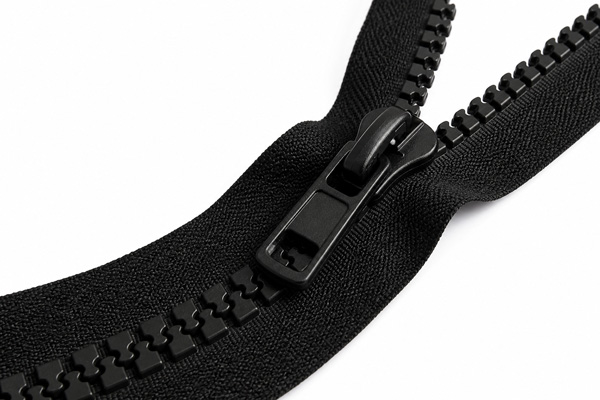
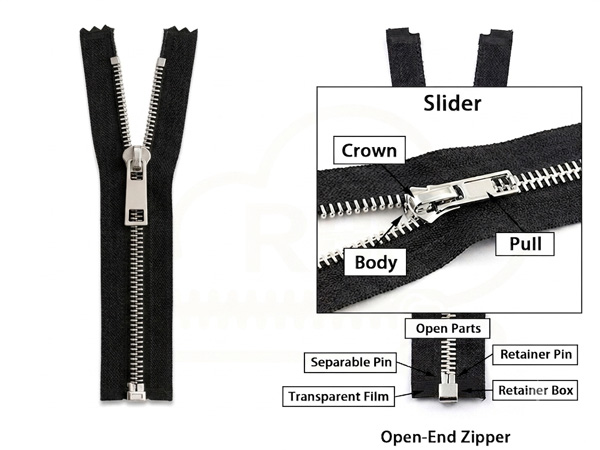
A high-quality separating zipper relies on the precise manufacturing of several core components:
Teeth: The interlocking elements that secure the closure.
Tape: The fabric strips that attach the zipper to the garment.
Slider: The mechanism that engages and disengages the teeth.
Puller: The tab used to move the slider.
Bottom Box and Pin (Crucial B2B Focus): The bottom insertion pin and box are the most critical components of a separating zipper. If the insertion pin is misaligned, or if the bottom stop does not perfectly match the base, the zipper cannot be connected. Additionally, because separating zippers are primarily used in apparel, the sliders typically feature an auto-lock mechanism. If the internal dimensions of this lock are incorrect or the locking force is abnormal, it will prevent the pin from inserting properly or compromise the zipper’s security.
Types of Separating Zippers
1. Metal Separating Zippers
Metal separating zippers use individual metal teeth attached to the zipper tape. Common materials include brass, aluminum alloy, and other metal alloys. They are recognized for their strong mechanical performance, durability, and distinctive appearance.
Key Characteristics
- Strong chain strength and excellent abrasion resistance
- Available in different finishes, including antique, matte, and polished effects
- Provides a premium tactile feel and visual appearance
Typical Applications
- Leather jackets
- Denim jackets
- Fashion outerwear
- Workwear
Metal separating zippers are often selected when both durability and product appearance are important considerations.
2. Nylon Coil Separating Zippers
Nylon coil separating zippers are made with continuous spiral-shaped coil teeth, usually produced from nylon or polyester monofilament and sewn onto polyester tape. This construction provides excellent flexibility and smooth operation.
Key Characteristics
- Lightweight and flexible structure
- Smooth opening and closing performance
- Excellent bending ability for soft and curved applications
- Wide range of color customization options
Typical Applications
- Windbreakers
- Sportswear
- Activewear
- Lightweight jackets
Nylon coil separating zippers are widely used in apparel where flexibility, comfort, and production efficiency are important.
3. Molded Plastic (Vislon® / Resin) Separating Zippers
Molded plastic separating zippers are produced by injection molding plastic elements directly onto the zipper tape. YKK’s VISLON® zipper uses injected plastic elements and is designed to provide a lightweight alternative to metal zippers while maintaining functional performance.
Key Characteristics
- Lightweight compared with metal zippers
- Strong molded teeth structure
- Good resistance to cold environments and outdoor exposure
- Available in various colors and finishes
Typical Applications
- Outdoor jackets
- Ski wear
- Children’s apparel
- Performance garments
Molded plastic separating zippers are commonly chosen for functional products requiring durability, lightweight construction, and design flexibility.
4. Waterproof Separating Zippers
Waterproof separating zippers are designed with a laminated TPU or PU film layer applied to the zipper tape to improve water resistance. For example, YKK AquaGuard® products use polyurethane laminated tape and are classified as water-repellent products rather than fully waterproof or watertight solutions.
Key Characteristics
- TPU/PU laminated tape structure
- Improved resistance against rain and moisture
- Clean technical appearance suitable for modern outdoor products
Typical Applications
- Rain jackets
- Ski jackets
- Outdoor technical apparel
- Waterproof bags
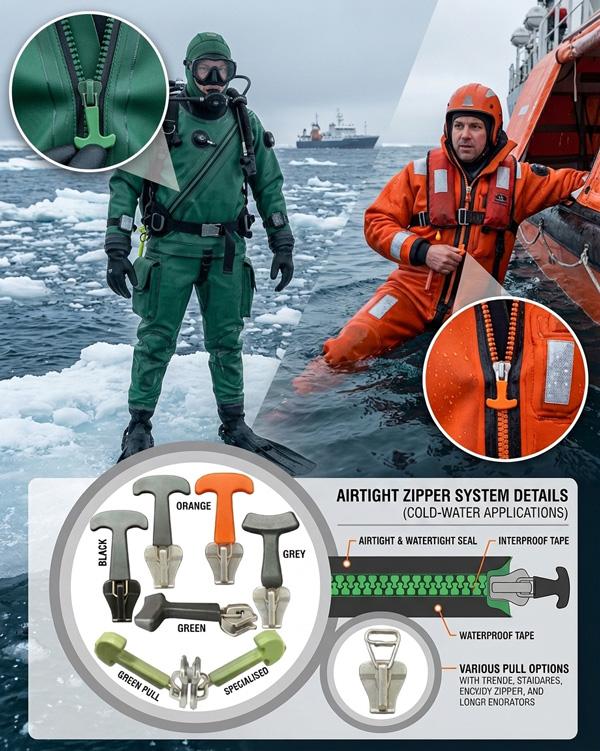
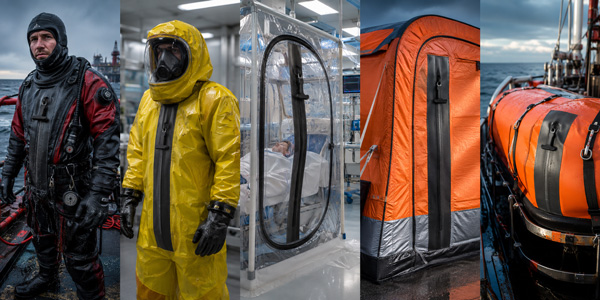
For applications requiring higher sealing performance, specialized airtight zipper constructions may be required instead of standard water-resistant zippers.
5. Invisible Separating Zippers
Invisible separating zippers feature a concealed tooth design where the zipper elements are hidden behind the tape. Unlike standard metal, coil, or molded zippers, the main design purpose is to achieve a clean and minimal appearance.
Key Characteristics
- Hidden zipper teeth for improved aesthetics
- Creates a seamless garment appearance
- Suitable for fashion-focused applications
Typical Applications
- Premium fashion garments
- Dresses
- Specialized apparel designs
Invisible separating zippers are selected when appearance and design integration are more important than maximum mechanical strength.
Not sure which type fits your product line? Get a free consultation from our zipper specialists →
Separating Zipper Sizes Guide
Understanding Zipper Size Numbers
Zipper sizes (such as #3, #5, #8, #10) represent the approximate width of the zipper teeth in millimeters when closed. The higher the number, the wider and stronger the zipper chain.
How to Choose the Right Size for Different Products
| Product Type | Recommended Size | Use Case |
|---|---|---|
| Lightweight Jackets & Gowns | #3, #4 | Delicate fabrics, wedding dresses, windbreakers |
| Standard Jackets & Hoodies | #5 | Everyday apparel, mid-weight garments |
| Outdoor & Winter Jackets | #5, #8 | Ski wear, heavy coats, tactical gear |
| Heavy-Duty Equipment | #10 | Industrial workwear, heavy canvas covers |
Need help choosing the right size for your product? Request a free sample →
Separating Zipper Applications
Apparel Industry
Fundamental for standard fashion items that require total separation, including everyday jackets, winter coats, hoodies, and specialized sportswear.
Outdoor & Performance Clothing
Critical for gear facing environmental stress, requiring reliable closures for hiking jackets, ski wear, and technical moisture-wicking apparel.
Workwear & Protective Clothing
Utilized heavily in industrial garments, safety uniforms, and heavy-duty protective gear where quick removal and durable fastening are mandatory.
Separating Zipper vs Other Zipper Types
Separating Zipper vs Closed-End Zipper
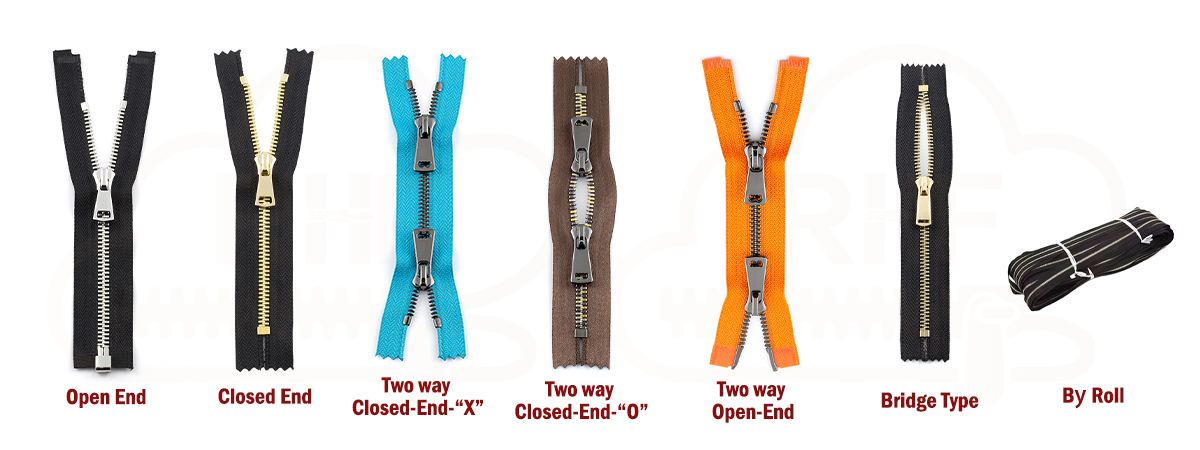
A separating zipper is designed with a separating bottom mechanism, allowing the two sides of the zipper chain to completely detach when opened. This construction is commonly used for garments that require full opening, such as jackets, coats, and outerwear.
In contrast, a closed-end zipper has a permanent bottom stop that keeps both sides connected after opening. It is mainly used for applications where complete separation is not required, including trousers, pockets, bags, footwear, and many fashion garments.
Separating Zipper vs Two-Way Zipper
The main difference between separating and two-way zippers is the opening function.
A standard separating zipper uses one slider and a separating bottom system, allowing the garment to open completely from the bottom.
A two-way zipper uses two sliders that can move independently in opposite directions. This allows the zipper to be opened from both the top and bottom, improving comfort and mobility in long garments such as coats and jackets.
How to Choose Between Them
| Requirement | Recommended Zipper |
|---|---|
| Full garment opening | Separating zipper |
| Partial opening | Closed-end zipper |
| Long coats requiring sitting comfort | Two-way separating zipper |
| Lightweight fashion items | Closed-end zipper |
How to Select a Separating Zipper for Bulk Purchasing
Consider Product Application
The first step is identifying the product application, usage environment, and performance requirements. A zipper used on a lightweight jacket may require flexibility and comfort, while outdoor or technical products may require higher resistance to water, cold temperatures, or abrasion.
Choose Suitable Materials and Sizes
Selecting the right separating zipper requires balancing material selection, zipper size, performance requirements, and target cost. Metal zippers may be preferred for premium appearance, while nylon coil or molded plastic zippers are often selected for lightweight or outdoor applications.
Evaluate Supplier Manufacturing Capability
Reliable bulk purchasing depends not only on product samples but also on the supplier’s ability to maintain consistent quality throughout mass production. Buyers should evaluate factors such as production capacity, quality control procedures, testing standards, and experience with similar applications.
A professional zipper manufacturer should have a complete quality management system covering raw material inspection, production monitoring, finished product testing, and shipment inspection. Certifications such as OEKO-TEX®, REACH, RoHS, GRS, BSCI, or ISO 9001 can further help brands reduce compliance risks when supplying global markets.
Example: RHF Zipper Manufacturing Capability
RHF Zipper has been specializing in zipper manufacturing since 2008, supporting global customers with customized zipper solutions, flexible MOQ requirements, and quality-controlled production processes.
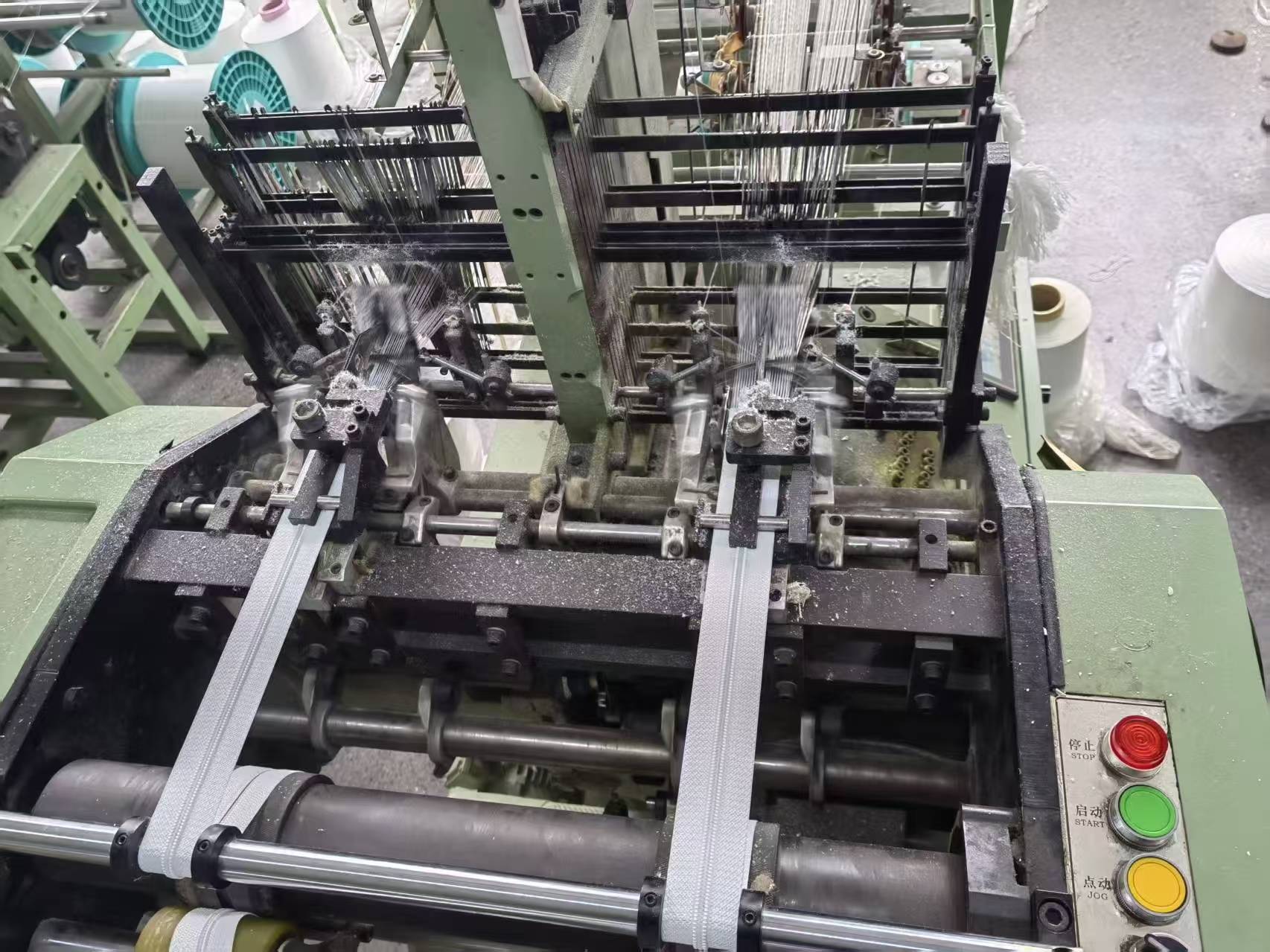
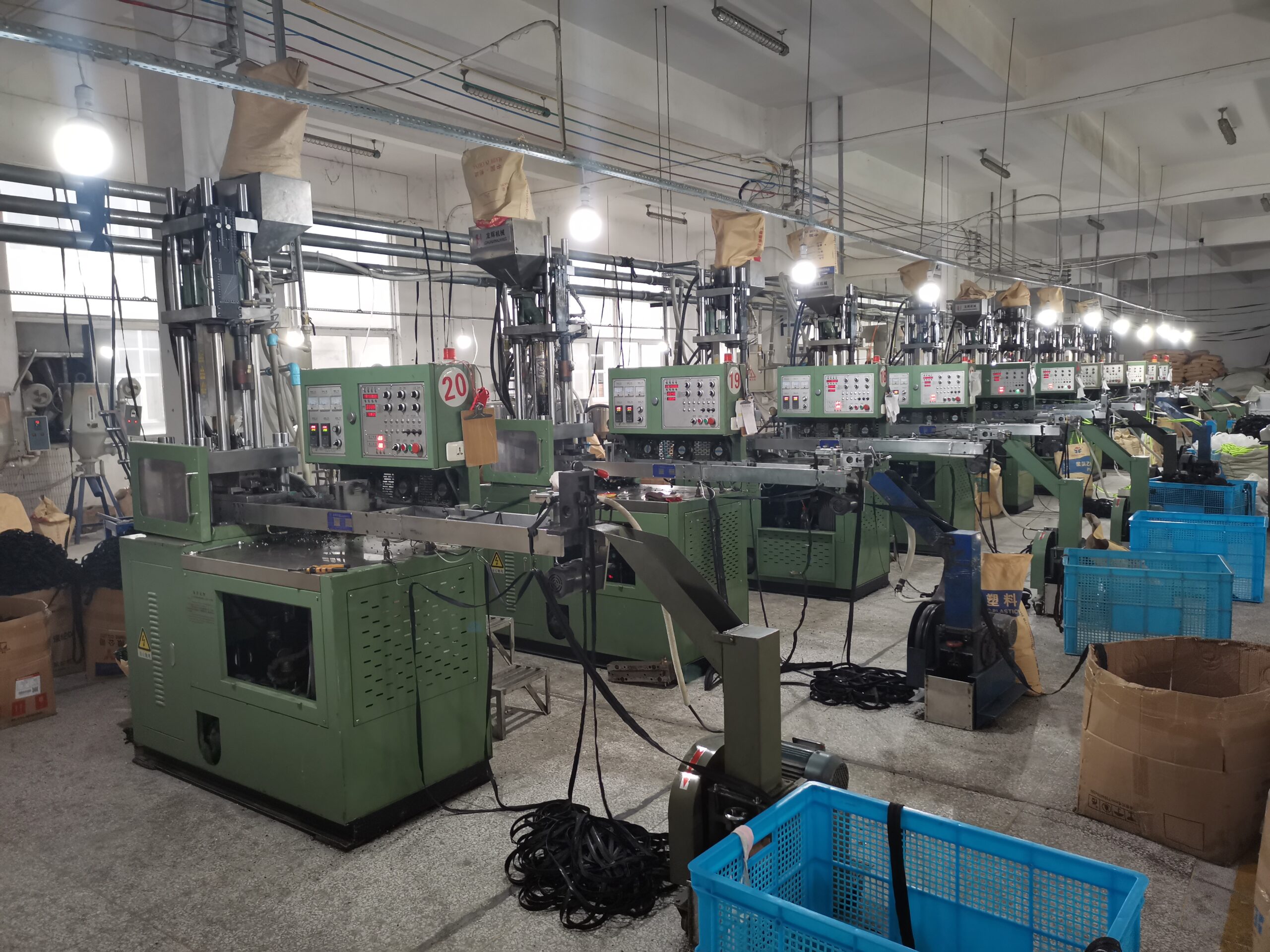
To learn more about our company and see our high-quality production process, watch the video below:
Separating Zipper Customization Options
Tape Customization
The zipper tape is commonly made from polyester and can be customized in terms of color, weave structure, coating, length, and tape width according to the garment construction requirements.
- recycled polyester (rPET)
- water-resistant coating
Teeth Material & Finishes
Common metal options include brass, aluminum alloy, and zinc alloy, while plastic options include molded resin teeth and nylon coil constructions.both nylon and resin teeth can undergo specialized electroplating processes to mimic premium metal finishes.
Slider and Puller Customization
Slider bodies are often selected from standard structures, while custom pullers provide greater flexibility for brand identity. Puller material options include metal, TPU, PVC, silicone, rope pullers, soft labels/tags, or hard metal nameplates/badges. These can also be combined, such as a PVC base with a rope handle, or a PVC puller with metal accents.
Surface Crafts & Branding
Logos can be applied via silk screen printing, UV printing, embossing (raised), or debossing (recessed). Metal hardware finishes can be tailored through electroplating, electrophoresis, rack plating, or barrel plating depending on the client’s visual and budgetary requirements.
Want to customize zippers with your brand identity? Send us your design requirements →
Quality Testing Standards for Separating Zippers
High-quality separating zippers are evaluated through a series of physical performance tests, including chain strength, slider locking strength, puller attachment strength, top and bottom stop strength, and reciprocating opening and closing tests.
The Balance Between Puller Smoothness and Safety
Clients often request the “smoothest possible zipper.” However, operating smoothness and zipper security are bound by physics. High smoothness requires a larger internal cavity within the slider. A larger cavity results in a weaker “bite” (grip) on the teeth, increasing the risk of the zipper bursting open under stress.
Tension is customized based on the use case. For high-frequency everyday garments (like standard jackets), tension is kept slightly tighter to ensure reliable security. For low-frequency, high-value items (like wedding dresses), tension can be loosened slightly to prioritize a flawless, smooth zip.
Color Fastness Testing and Matching
Color fastness is critical. Products must maintain a Grade 4 or above standard (using AATCC test methods), ensuring minimal color change after 20 wash cycles at 40°C.
For custom colors, clients provide physical fabric samples. The color matching lab formulates a custom dye recipe under controlled lighting, produces a zipper sample, and requires written client confirmation before initiating bulk dyeing. For urgent orders where fabric samples cannot be provided, Pantone color matching is available. However, clients must note that Pantone codes represent ink colors, not textile dyes, which introduces a potential ±5% color deviation risk in the final product.
Conclusion
Selecting the correct separating zipper is a fundamental step in ensuring garment longevity and consumer satisfaction. By understanding the functional differences between metal, nylon, resin, and invisible zippers, and by accurately matching the zipper size (#3 through #10) to the product’s weight and application, brands can avoid critical manufacturing errors. Partnering with a fully certified supplier capable of rigorous quality testing, precise color matching, and comprehensive component customization ensures that your bulk procurement meets both aesthetic goals and global compliance standards.