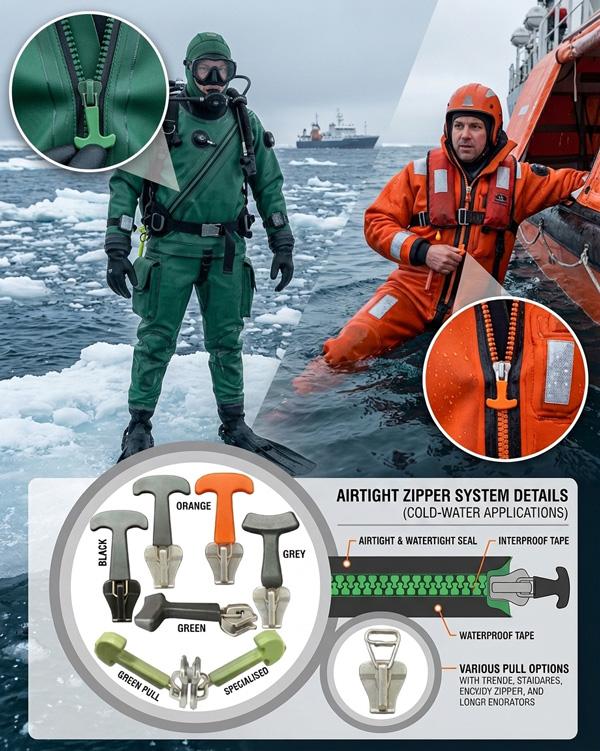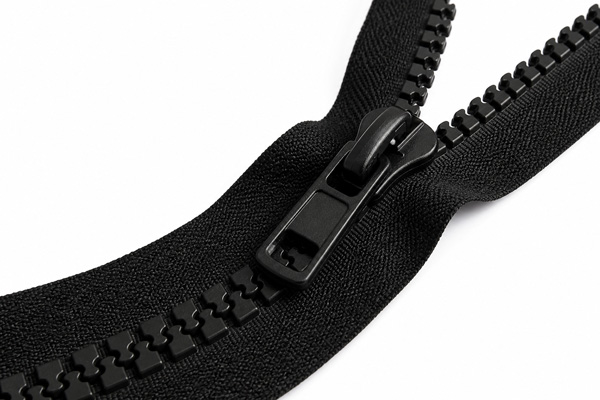
Custom Zipper puller OEM Guide — mold, MOQ & Lead Time
A custom zipper pull can look simple. I have seen it turn into hidden mold fees, late samples, wrong materials, and hard quality problems.
Custom zipper puller OEM work depends on material, mold, MOQ, and lead time. Metal, PVC, TPU, and metal-rubber hybrid pulls use different mold logic. A clear supplier should explain mold cost, refund rules, sample timing, bulk timing, and quality limits before production starts.
I have worked in zipper manufacturing for 18 years. I do not see puller customization as a logo job. I see it as a small engineering project. The puller must fit the puller body. The finish must survive use. The color must match the brand direction. The mold must match the order size. The final cost must make sense after freight, inspection, and reorders.
This guide is written like an internal sourcing memo. I will explain how I look at zinc alloy, PVC, TPU, and metal plus rubber hybrid pullers. I will also show the real MOQ floor, the mold refund logic, and the lead time standard that protects quality. I am not using sales language here. I am showing the rules that I use when I advise apparel, bag, outdoor, and home textile brands.
Why Is a Custom Zipper puller Not Just a Logo Job?
A buyer often starts with one request: “Can you put our logo on the puller?” I understand that question. I also know that it is incomplete. The puller material decides the mold. The mold decides the first cost. The color process decides the failure risk. The order size decides whether the project should use PVC, TPU, zinc alloy, or a hybrid structure.
A senior buyer should ask one question before any artwork is approved: Does this design match the right manufacturing route? If the answer is no, the project may still look good on a screen, but it may fail during sampling, bulk production, or end-use testing.
- A flat metal logo can be simple and stable.
- A soft PVC puller can carry many colors with lower mold pressure.
- A TPU puller can reduce unit cost on very large orders, but the mold path is harder.
- A metal plus rubber hybrid puller needs one dedicated mold, and it needs better structure control.
I usually tell buyers to treat the puller as part of the product experience. A jacket zipper is touched many times. A luggage zipper may carry heavy force. A handbag zipper sits close to the brand identity. A cheap decision at this point can create a visible defect later.
How Does Metal Zipper Puller mold Really Work?
Zinc alloy is the basic first choice for many custom zipper pullers. I like it for brand projects that need a clean logo, a stable shape, and a controlled mold cost. The mold logic is simple compared with rubber materials. In most cases, one mold can solve the shape and logo structure.

Metal pullers work well when the design uses raised logos, recessed logos, embossed patterns, engraved marks, or plating finishes. The process also fits premium bags, fashion jackets, denim, outdoor gear, and home textile items. The main risk is not only the mold. The main risk is plating control. A puller can pass shape approval and still fail if the electroplating adhesion is weak.
| Metal Puller Factor | What I Check | Buyer Risk |
|---|---|---|
| Mold structure | Logo depth, edge thickness, hook opening, and pull strength | Thin details can break or look unclear after plating |
| Plating finish | Nickel, antique brass, gunmetal, black nickel, matte finish, or custom color | Poor adhesion can cause color loss during use |
| puller matching | puller size, puller hole, and assembly tolerance | Wrong fit can make the zipper feel loose or stiff |
My practical advice is simple. Use metal when the brand wants a stable premium feel, a sharp logo, and a clear cost path. Ask the supplier to confirm plating tests, pull strength, and puller compatibility before bulk approval. A low mold fee does not protect the order if plating or assembly control is weak.
When Should I Use a Metal Plus Rubber Hybrid Puller?
A metal plus rubber hybrid puller is often missed in early planning. I see this style on outdoor bags, sportswear, workwear, travel goods, and lifestyle accessories. The puller usually uses a metal insert or metal plate with a rubber surface or rubber grip. The structure gives the product a stronger hand feel than pure rubber and a softer touch than pure metal.
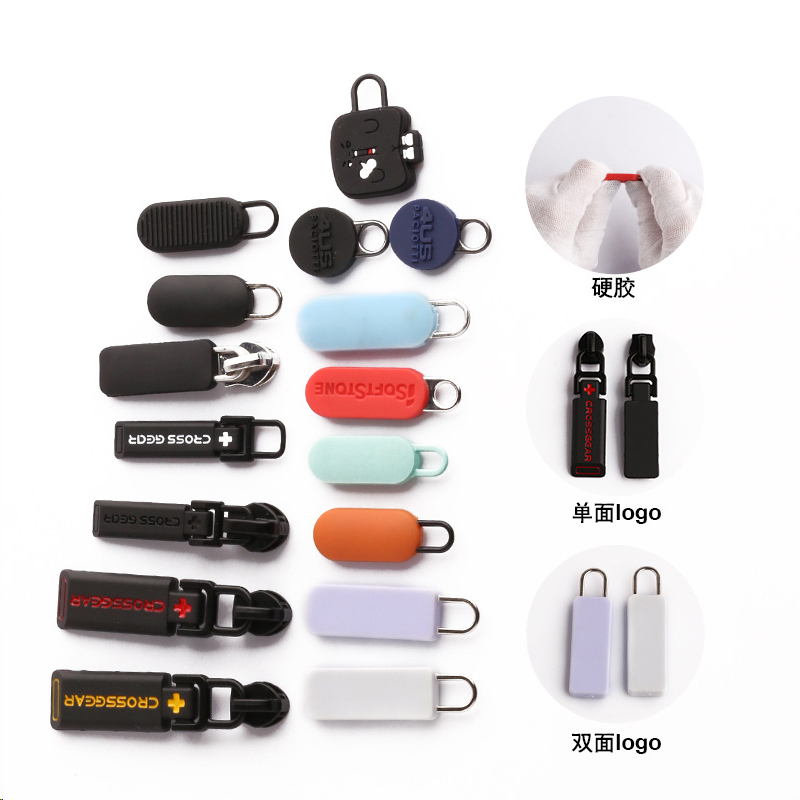
The important point is this: a metal plus rubber hybrid puller also needs one dedicated mold. It is not just a metal puller with rubber added at the end. The supplier must control the metal part, the rubber part, the bonding or covering structure, and the final assembly. If the mold design is weak, the rubber can peel, the metal can shift, or the puller can feel unbalanced.
| Hybrid Choice | Best Use | Control Point |
|---|---|---|
| Metal plate plus rubber grip | Outdoor bags and functional apparel | Bonding strength and pull direction |
| Rubber body with metal eyelet | Sportswear and travel products | Eyelet position and tear resistance |
I recommend this route when the product needs grip, weight, and brand detail at the same time. I do not recommend it only to make the design look more expensive. It adds mold work and more quality checks. The order should justify the extra structure.
What Is the Real Difference Between PVC and TPU Pullers?
Many buyers call all rubber pullers “silicone pullers.” I try to correct this early because the material name affects cost, mold, color, and lead time. In daily zipper production, true silicone is not common. It is expensive. It is often limited to base color plus surface color. It is used more in very high-end apparel or special projects.
A simple field test can show the difference. When PVC is burned with a lighter, it turns black and gets damaged. Silicone does not burn in the same way. I do not suggest that buyers run this test on every sample, but I mention it because material claims can be loose in the market.
PVC is soft rubber in normal sourcing language. It has a low mold entry point and a higher unit material cost. The big benefit is color freedom. PVC can support one mold with multiple colors. Raised surfaces and flat separated color areas can create rich visual effects. Recessed areas are usually single color. Gradients are not a normal mold process.
TPU is hard rubber in normal sourcing language. It has a higher mold entry point and a lower unit material cost. The hidden trap is color. One color usually needs one mold. Two colors are already the common practical limit. Three colors are difficult. Recessed designs can usually do up to two colors, and the extra color often needs paint filling.
| Material | mold Logic | Cost Truth | Best Fit |
|---|---|---|---|
| PVC | One mold can support multiple colors | Lower mold cost, higher unit material cost | Small tests, medium orders, colorful designs |
| TPU | One color usually means one mold | Higher mold cost, lower unit material cost | Very large orders with simple color plans |
| Silicone | Special process and limited common use | High cost | Special high-end programs |
My rule is clear. I use PVC when the buyer wants low initial mold pressure, many colors, and a flexible test order. I use TPU when the design is simple and the forecast is very large. TPU can become cheaper after the high mold cost is spread across a big volume. If the order is not big enough, TPU can look cheap in theory and become expensive in real sourcing.
What If the Design Has Gradients or Very Complex Artwork?
Some brand artwork does not fit normal mold color separation. I see this often with gradient logos, photo-like graphics, small icons, and multi-tone fashion colors. A standard PVC or TPU mold cannot solve every visual request. That is where UV printing becomes the practical route.
UV printing can ignore many material and surface limits. It can print complex color effects on metal, PVC, TPU, or hybrid surfaces. It can also handle gradients that normal injection color work cannot handle. I still ask buyers to approve the durability target before choosing UV. A decorative zipper puller for a fashion bag is not the same as a puller on a heavy outdoor pack.
- I choose mold color separation when the design is simple and long-term repeat production is needed.
- I choose UV printing when the artwork is complex, seasonal, or visually detailed.
- I ask for rub testing, color review, and final sample approval before bulk production.
A buyer should not accept a simple “yes, we can do it” answer. The supplier should explain how the graphic will be applied, how the surface will be prepared, and what test standard will be used. Complex artwork can work well, but it needs a process owner.
What MOQ Should a Brand Expect for Custom Zipper puller OEM?
I support a test-friendly MOQ because new product development needs room. For custom zipper puller OEM projects, I use 300 pieces as the starting MOQ across the line. This supports sample launches, small capsule collections, limited editions, and market testing.
The small MOQ does not remove mold logic. It only lowers the entry barrier. A 300-piece order with a custom mold can be useful for validation, but the unit cost will not show the final cost of a scaled program. I always separate test cost from production cost when I advise buyers. A test order should answer design, fit, color, and quality questions. A bulk order should answer landed cost and supply stability questions.
| Order Stage | Suggested Quantity | Main Purpose |
|---|---|---|
| Development test | 300 pieces and above | Check design, fit, color, and hand feel |
| Market trial | Small to medium batch | Support limited drops or first sales run |
| Scale order | Based on program forecast | Spread mold cost and secure stable supply |
My advice is to use the first 300 pieces to remove uncertainty. Do not use that first number to judge the whole supply chain. A good supplier should help the buyer see how the cost changes at each scale.
How Do mold Cost Refund Rules Work?
mold refund rules should be clear before the mold is opened. I do not like vague promises. I prefer numbers. For PVC orders, I refund the mold fee when the cumulative order reaches 20,000 pieces. For TPU orders, I refund the mold fee when the cumulative order reaches 100,000 pieces.
Some buyers ask why the gap is so large. I think that is a fair question. The answer is not a sales trick. It comes from production cost. PVC has a more friendly mold structure for multi-color work. TPU often needs separate mold for each color. TPU also needs more setup work and color trial control when the design uses more than one color.
| Material | mold Refund Point | Reason |
|---|---|---|
| PVC | 20,000 cumulative pieces | Lower mold barrier and easier multi-color process |
| TPU | 100,000 cumulative pieces | Higher mold burden and more color setup cost |
I tell buyers to match refund rules with the product forecast. If the product may never reach 100,000 pieces, TPU may not be the right choice even if the unit material is cheaper. If the design will become a long-term high-volume program, TPU can make sense. The right choice is not the cheapest line item. The right choice is the lowest total risk.
What Lead Time Is Realistic for Custom puller Sampling and Bulk Production?
I use a simple lead time standard. For sampling, zinc alloy, PVC, and TPU custom pullers need 7 days for mold opening and sample output. For bulk production, standard specifications and Pantone colors need 15 to 20 days.
This timing is not only machine time. It includes material preparation, mold setup, color matching, trial production, assembly, inspection, packing, and shipment planning. I have seen buyers get pulled into unrealistic lead times because a supplier only counted the production hours. That is not a complete supply chain view.
| Work Type | Lead Time | Notes |
|---|---|---|
| Custom mold sampling | 7 days | Applies to zinc alloy, PVC, and TPU |
| Standard bulk production | 15 to 20 days | Works for standard specifications and Pantone colors |
| Custom fabric color matching | Add 5 to 7 days | Needed when tape, puller, or brand material must match closely |
| Special coating | Add 7 to 10 days | Example: low-temperature spray paint with grade 4 wash resistance |
My quality-first rule is firm. I do not treat lead time as a number that can be cut freely. Any rush can reduce color accuracy, plating stability, assembly control, or final inspection depth. The zipper may still ship on time, but the brand may pay later through claims, returns, and production delays.
I can support rush orders when the factory capacity allows it. For urgent fashion schedules, a 30% rush fee can compress bulk production to 10 to 12 days. I only accept that route when quality will not be sacrificed. If the process needs more drying time, coating time, or inspection time, I will say no. A late but stable zipper is often less costly than an on-time zipper that fails in the market.
How Should a Buyer Choose the Right Custom puller Route?
I use a decision path with every serious OEM project. I first look at the design. I then check the order forecast. I then check the use case. I then match the material and mold. This order matters because a beautiful design can become the wrong product if the forecast and use case do not support it.
| Buyer Situation | My Suggested Route | Why It Works |
|---|---|---|
| Premium logo, clean shape, stable finish | Zinc alloy metal puller | One mold is often enough, and the result feels solid |
| Small launch with rich colors | PVC puller | mold is more friendly, and color work is flexible |
| Very large order with simple colors | TPU puller | Lower unit material cost can offset high mold cost |
| Outdoor grip and stronger hand feel | Metal plus rubber hybrid puller | It balances structure, touch, and brand detail |
| Gradients or very complex artwork | UV printing | It bypasses normal color separation limits |
I also ask for the real product context. A zipper puller for a fashion sample has different rules from a puller for a luggage line with heavy use. A puller for a children’s product has different compliance needs from a puller for a promotional pouch. A supplier should not recommend material only by price. The recommendation should match the final market, test needs, and repeat order plan.
What Information Should I Prepare Before Asking for a Quote?
A clear request saves time. I can quote faster and more accurately when the buyer gives complete data. I do not need a perfect technical pack at the first step, but I need enough detail to choose the correct mold route and process route.
- I need the zipper size, such as #5, #8, #10, #20, or #30.
- I need the zipper type, such as open-end, closed-end, or two-way style.
- I need the puller artwork in AI, PDF, or clear high-resolution format.
- I need Pantone colors, plating colors, or fabric color references.
- I need the target order quantity and expected repeat order plan.
- I need the target market and any compliance request, such as OEKO-TEX, REACH, RoHS, CA65, or GRS.
In our factory, I connect this information with material inspection, precision assembly, pull strength checks, smoothness checks, plating adhesion checks, and 100% final inspection. I care about these steps because the buyer does not only need a custom puller. The buyer needs a zipper that can move through production, pass market requirements, and reduce after-sales risk.
Conclusion
I choose custom zipper puller solutions by material, mold logic, order scale, and quality risk. A transparent plan protects cost, lead time, and brand reputation.